Matera With Kids
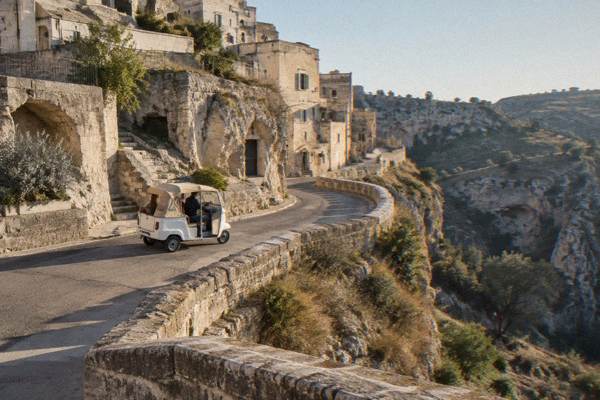
Matera, the cave city of Basilicata in southern Italy, works surprisingly well with children: the Sassi are one big climbable labyrinth, several cave sites are open to visitors, and this guide sets out what a family can realistically do.
Short answer
Matera suits families who like walking: children under 10 enter the main cave house and the rupestrian churches free or for a few euros, September is the busiest month for arrivals, and the biggest challenges are steps, summer heat and the ZTL if you drive.
Matera, in the region of Basilicata in southern Italy, is an inland city of pale stone and cave dwellings on the edge of the Gravina canyon, and it is a place children tend to grasp immediately: houses dug into rock, staircases that double as streets, and a canyon full of caves on the far side. This itinerary page from the Matera Travel Guide editorial desk sets out what a family can realistically do here, what children pay at the ticket offices, where the walking gets hard, and which day trips work with kids in tow. Everything below comes from the operators' own posted tariffs, the APT Basilicata accommodation data and the park's official pages.
Is Matera A Good City To Visit With Kids?
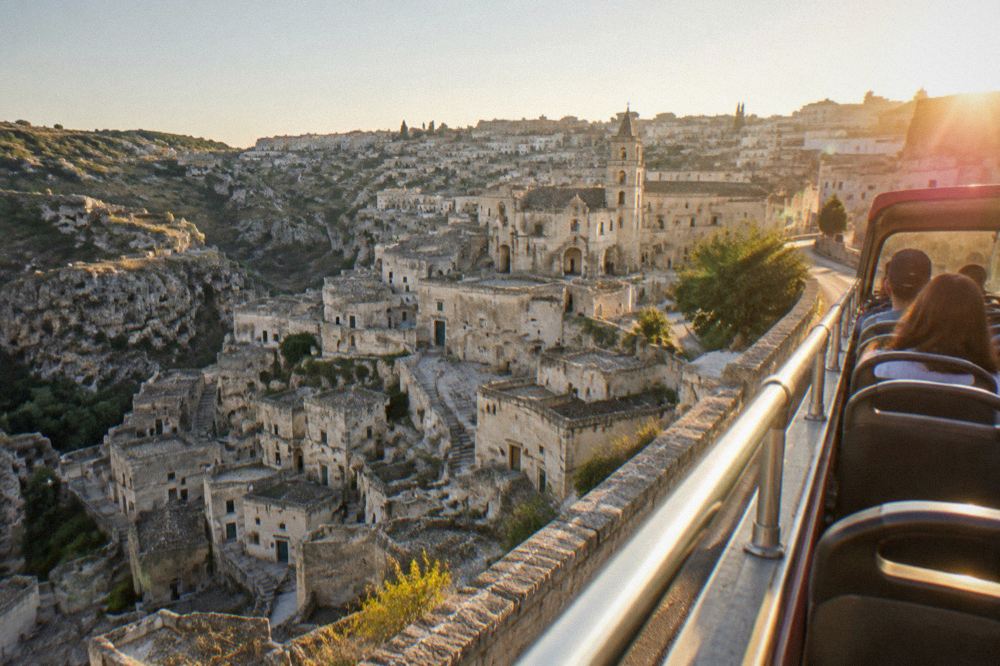
Yes, for active families who like walking, because Matera is essentially an open-air labyrinth of stone staircases, cave houses and canyon viewpoints, several of the main sites let children in free or for a few euros, and the city is compact enough that the distances are short even if the steps are many. The Sassi districts, Sasso Caveoso and Sasso Barisano, are a UNESCO World Heritage site inscribed in 1993, and the site's own listing describes more than a thousand dwellings cut into the rock. For a child, that is not a museum: it is a place to climb, look into and ask questions about.
The city sits at about 400 m above sea level on the edge of the Gravina canyon, with the Murgia plateau opposite. There is no sea at Matera, which surprises families who assume southern Italy means a beach town. The coast is a day trip: Metaponto on the Ionian at 47 km, Polignano a Mare at 100 km, Bari on the Adriatic at 68 km.
What families should weigh honestly is terrain and season. The Sassi are steep, stepped and uneven, so no named route here is step-free. And the climate is continental-leaning Mediterranean: the ERA5 reanalysis, 1991-2020, puts the July mean high at 31.2 °C and August at 31.3 °C, with January down at a mean low of 2.2 °C. Shoulder months are the comfortable ones for walking all day with children.
What Can You Do In Matera With Kids Across Two Days?
A realistic two-day family plan is day one in the Sassi: a cave house visit at the Casa Grotta di Vico Solitario, one rupestrian church such as Santa Lucia alle Malve, and the viewpoints over the canyon from Piazza San Pietro Caveoso; day two crosses to the Murgia side at Belvedere Murgia Timone and ends with the open spaces on the Piano, the modern centre above the Sassi. The full detail for each day is on two full days in Matera, and the tighter version is one day in Matera.
To find your way through the stone lanes with children, book a Sassi walking tour here.
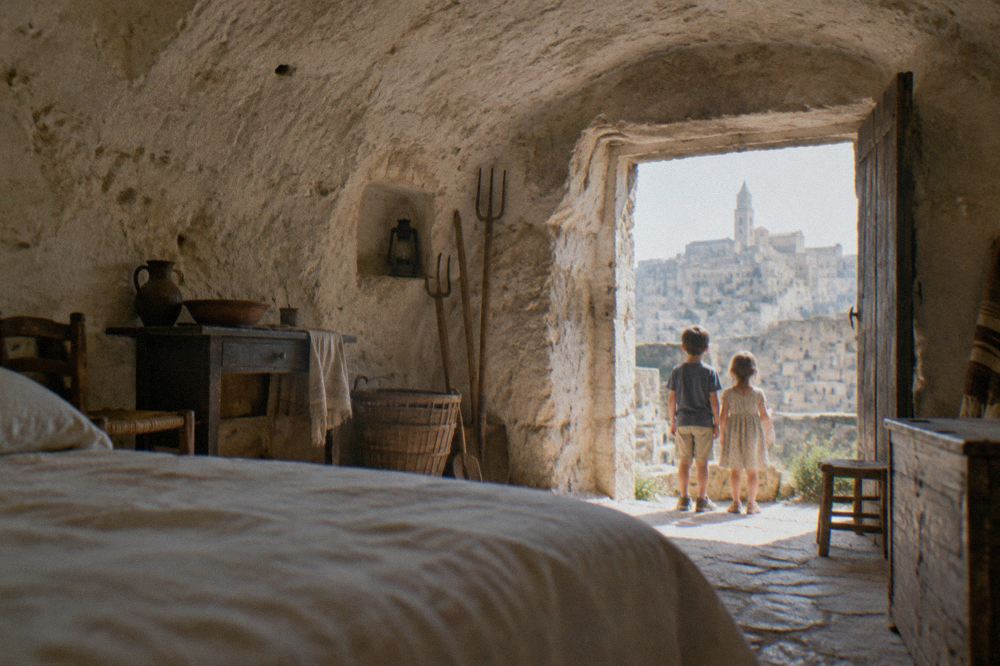
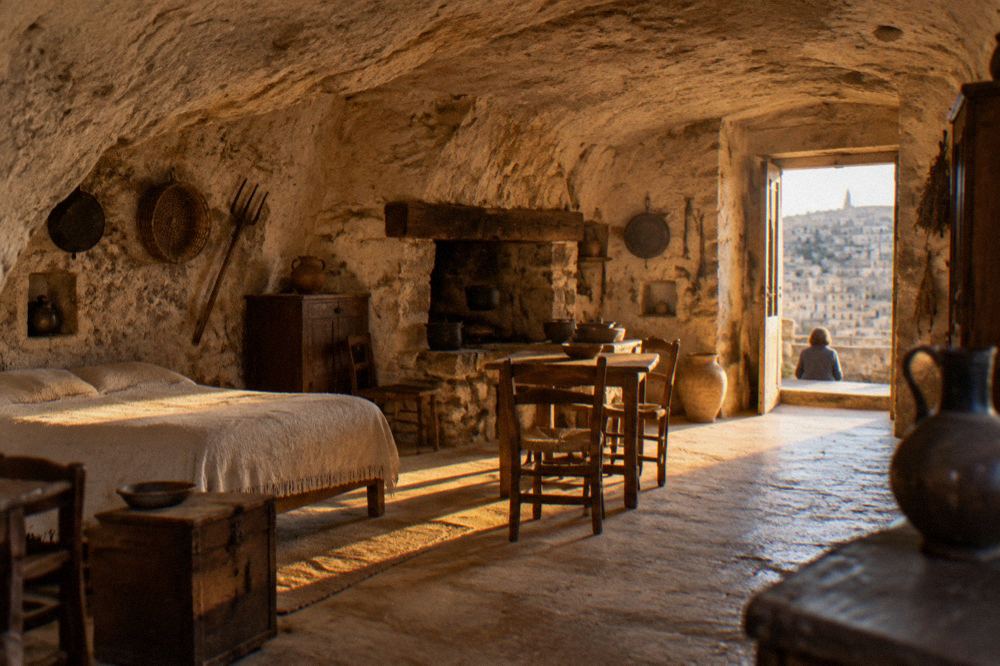
The cave house is the anchor stop. The Storica Casa Grotta di Vico Solitario is a furnished cave dwelling showing how a materano family lived, plus a natural cave and a small rock church on the same ticket. Children under 10 enter free, ages 11 to 18 pay 3.00 EUR, and the full adult ticket is 8.00 EUR under the tariff in force from 4 April 2026, per the operator's own tariff page. Nearby, the rupestrian churches of Matera run by Oltre l'Arte are free for children up to 10 accompanied by a parent, and the interiors are short, cool and strange enough to hold a child's attention for the length of a visit.
Afternoons belong to viewpoints and gelato. Piazza San Pietro Caveoso opens onto the canyon, and the Belvedere Murgia Timone across the Gravina gives the postcard view back over the Sassi that children recognise from photographs. On the Piano, Piazza Vittorio Veneto is a pedestrian square closed to vehicles all day, which makes it the easiest place in the city to let children move freely.
What Do Children Pay At Matera's Ticket Offices?
Children get in free or nearly free at the main cave sites: under 10 is free at the Casa Grotta di Vico Solitario and at the Oltre l'Arte rupestrian churches with a parent, ages 11 to 18 pay 3.00 EUR at the cave house, MUSMA is free to age 6 and the national museums are free under 18. The operators publish these tariffs themselves. The table below gathers the verified child rates in one place for planning.
| Site | Adult | Child / reduced | Source note |
|---|---|---|---|
| Storica Casa Grotta di Vico Solitario | 8.00 EUR | 3.00 EUR ages 11 to 18, free to age 10 | Operator tariff from 4 April 2026 |
| Oltre l'Arte rupestrian churches (1 / 2 / 3 churches) | 4.50 / 8.00 / 10.00 EUR | Free to age 10 with a parent; reduced 3.50 / 5.50 / 7.50 | Operator ticket page, hours from 28 March 2026 |
| Oltre l'Arte all-inclusive, 8 sites | 25.00 EUR | Reduced 16.00 EUR | Same page |
| MUSMA sculpture museum | 10.00 EUR | 5.00 EUR ages 7 to 18, free to age 6 | Museum contact page |
| Museo Nazionale di Matera (Palazzo Lanfranchi) | 10.00 EUR per site, 15.00 EUR cumulative 2 days | Free under 18 | Museum online ticket page |
| Casa Noha (FAI) | 6.50 EUR | 3.00 EUR children | FAI page; closed Wednesdays |
| Presepe Vivente nei Sassi (December) | 12.00 EUR | 9.00 EUR ages 10 to 18, free under 10 | Organiser site, 16th edition |
Two closures matter for planning. The Museo Ridola, the archaeological museum, has been closed since 7 April 2025 for energy works, with no reopening date published, so scratch it from any list. Casa Noha, the small FAI interpretation centre that is otherwise a good orientation stop for older children, is closed 5 to 22 October 2026 for renovation before a relaunch with new displays.
Is The Sassi Walkable With A Stroller Or Small Children?
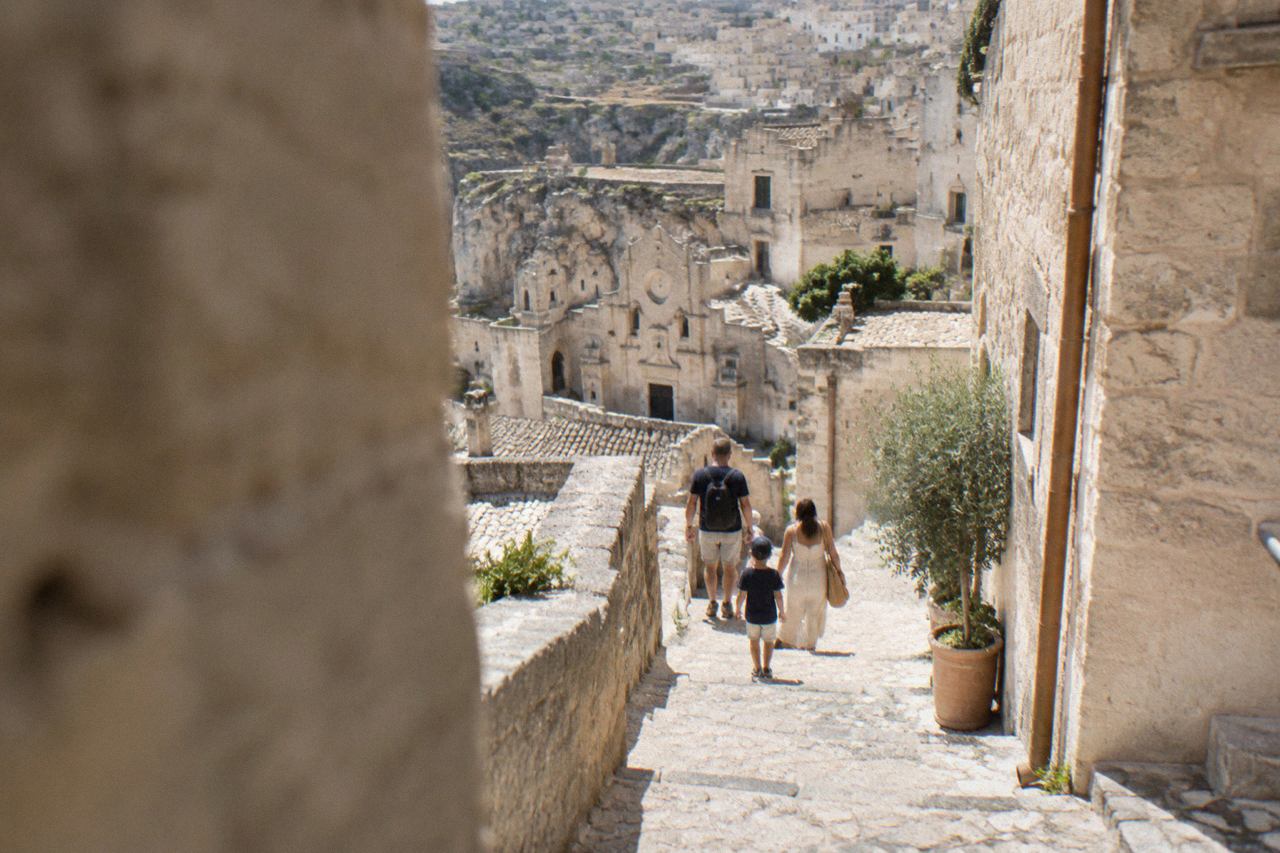
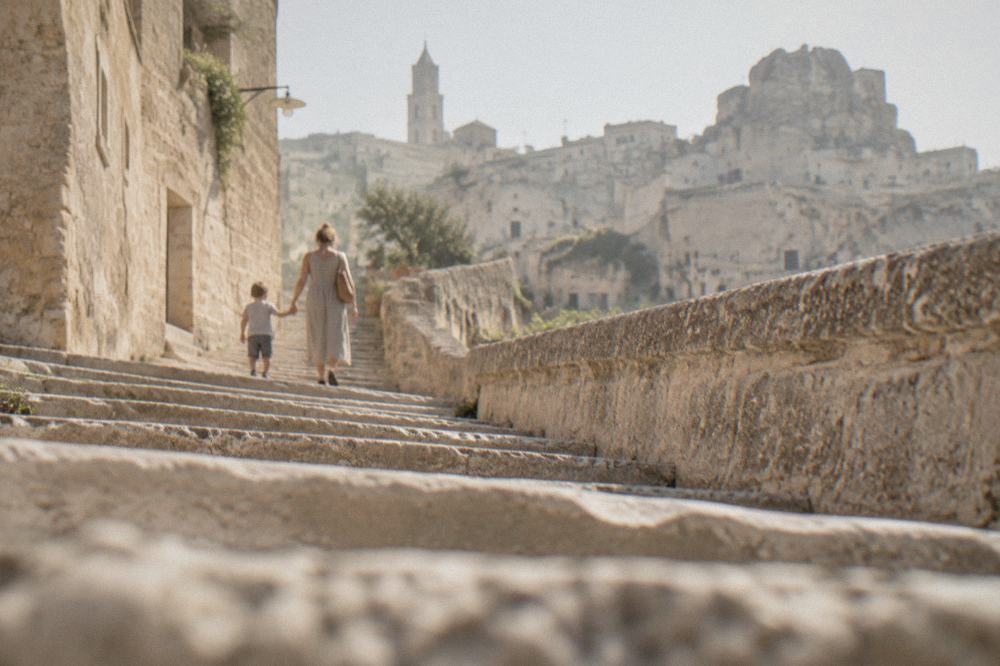
No part of the Sassi is flat: the two districts are built on a canyon slope of stepped lanes, staircases and uneven stone, so a stroller is a liability below the Piano and families do better with a baby carrier for toddlers and steady shoes for everyone else. The city's own geography makes this unavoidable. Sasso Caveoso and Sasso Barisano descend from the level of the modern centre to the floor of the Gravina canyon, and the connections between levels are stairs, not ramps.
The workable pattern is to keep the stroller on the Piano, the modern plateau at the top, where Piazza Vittorio Veneto and Via Ridola are pedestrian areas closed to vehicles all day, and to descend into the Sassi on foot. The Sasso Barisano side, with its gentler commercial streets around Via Fiorentini, is the easier introduction with children; the Sasso Caveoso side is rawer and steeper toward Piazza San Pietro Caveoso.
If you are driving, note the restricted traffic zones. The ZTL Sassi cameras run 10:00 to 20:30 from 16 September to 30 June and 10:00 to 24:00 from 1 July to 15 September, weekdays and holidays alike, while the ZTL Centro around Via del Corso and Piazza Sedile is active 24 hours a day. Park outside the zones and walk in; the details are on the city's ZTL pages, and the practicalities are collected on the site's parking and access guides.
Where Can Children Run Around Near Matera?
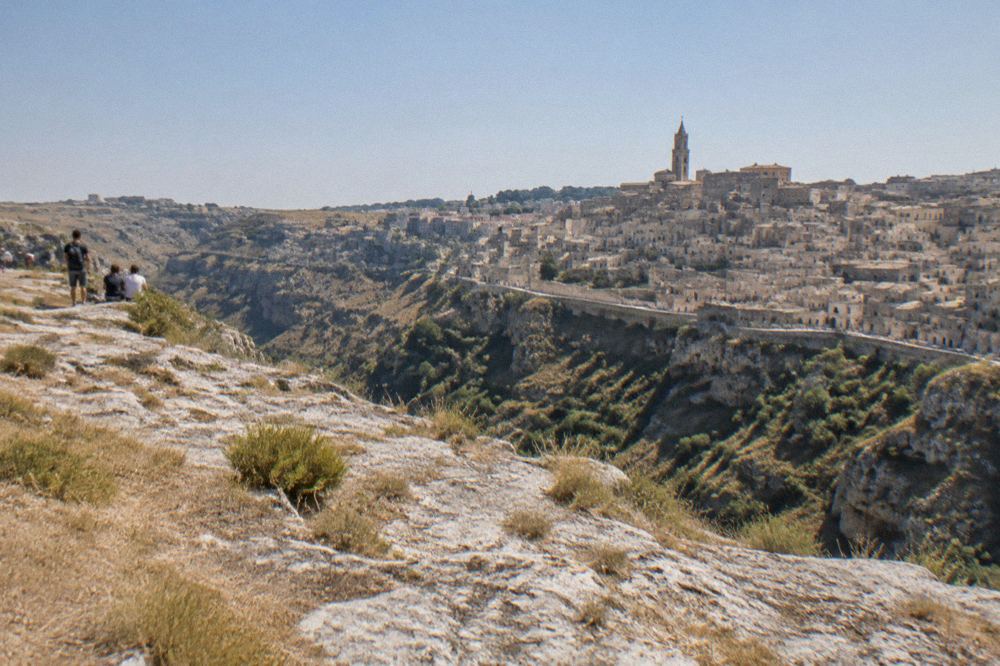
The two best open-air options are the Parco della Murgia Materana across the Gravina, a protected park of about 8,000 hectares by the park's own count, where the Jazzo Gattini visitor centre has served as the park's info point and ticket office since 6 February 2026, and the Belvedere Murgia Timone viewpoint reached on foot or with a guided sunset walk. The park side is where the energy goes: paths, canyon views, wildflowers in spring, and the rock-cut church facades visible across the ravine from the Sassi.
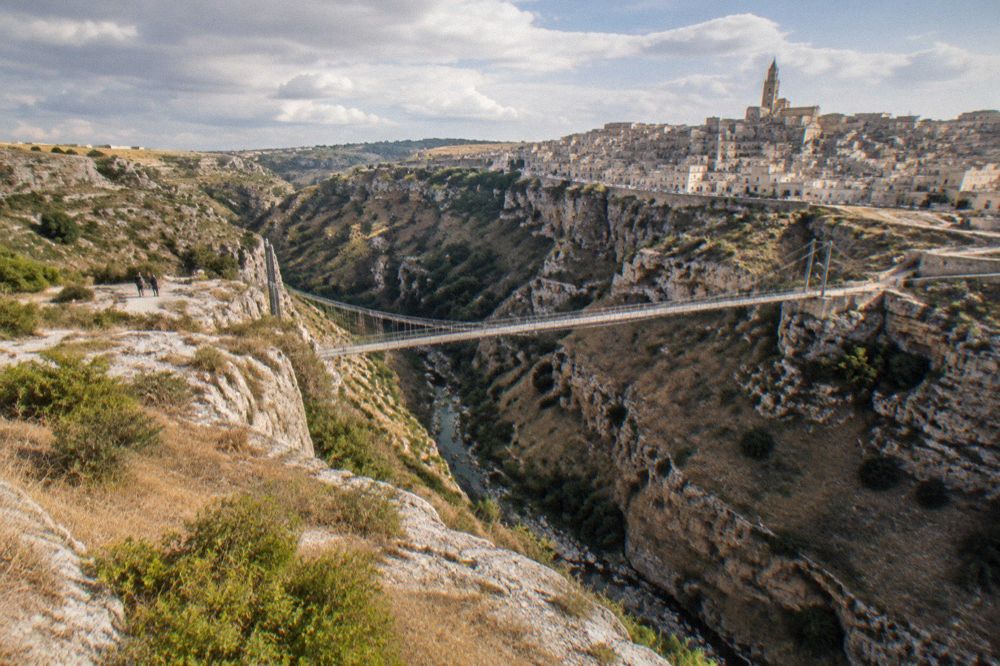
The Murgia park has some structure now. The park's own site states that Jazzo Gattini, in a former shepherd's enclosure, reopened under a new concession with an info point, ticket office and access control toward Murgia Timone. The Sentiero 406 path, which carries a suspension bridge over the Gravina, has had a staffed access point and an online access ticket since March 2026; the ticket page gives half price under 25 and free entry for residents of Matera and Montescaglioso, children under 6 and visitors with a disability travelling with a companion. The price itself is not settled between the park's ticket page text and press reports, so check the ticket page before promising the bridge to a thrill-seeking ten-year-old.
Back in the city, the plain answers are Piazza Vittorio Veneto for its vehicle-free expanse, and the flat upper stretch of the Sassi di Matera around the Cathedral, where the going is gentle. For rainy days, the site maintains a dedicated Matera rainy day plan built around MUSMA, Palazzo Lanfranchi and the diocesan museum.
Which Season Suits A Family Trip To Matera Best?
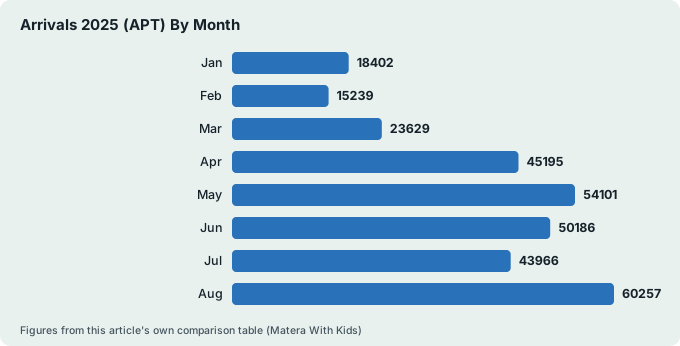
Late April, May, June, September and October are the family window: the ERA5 reanalysis, 1991-2020, puts May at a 22.7 °C mean high and September at 25.7 °C, against 31.2 °C in July, and the APT Basilicata data shows September is the busiest month with 61,630 arrivals in 2025, ahead of August at 60,257. Heat and crowds are the two things that tire children fastest here, and they peak together in summer.
The monthly picture, combining the ERA5 normals with the APT Basilicata accommodation counts, lets a family pick their trade-off:
| Month | Mean high °C (ERA5 1991-2020) | Rain mm | Arrivals 2025 (APT) |
|---|---|---|---|
| Jan | 10.3 | 51.4 | 18,402 |
| Feb | 11.1 | 54.9 | 15,239 |
| Mar | 14.1 | 59.2 | 23,629 |
| Apr | 17.4 | 56.5 | 45,195 |
| May | 22.7 | 41.7 | 54,101 |
| Jun | 28.2 | 35.1 | 50,186 |
| Jul | 31.2 | 21.2 | 43,966 |
| Aug | 31.3 | 21.7 | 60,257 |
| Sep | 25.7 | 44.8 | 61,630 |
| Oct | 20.8 | 51.7 | 52,538 |
| Nov | 15.5 | 67.1 | 23,555 |
| Dec | 11.2 | 57.2 | 30,385 |
February is the quiet month, at 15,239 arrivals, roughly a quarter of September's count. November is the wettest at 67.1 mm in the ERA5 normals, which matters for a city whose main attraction is outdoor walking. December brings its own draw for families: the Presepe Vivente nei Sassi, the living nativity whose 16th edition runs on the December weekends and 2 to 3 January, with 20 scenes staged along a route from Piazza San Pietro Caveoso through Vico Solitario and Rione Malve to Via Bruno Buozzi. Tickets are 12.00 EUR full, 9.00 EUR for ages 10 to 18 and free under 10, on the organiser's site.
Which Day Trips From Matera Work With Children?
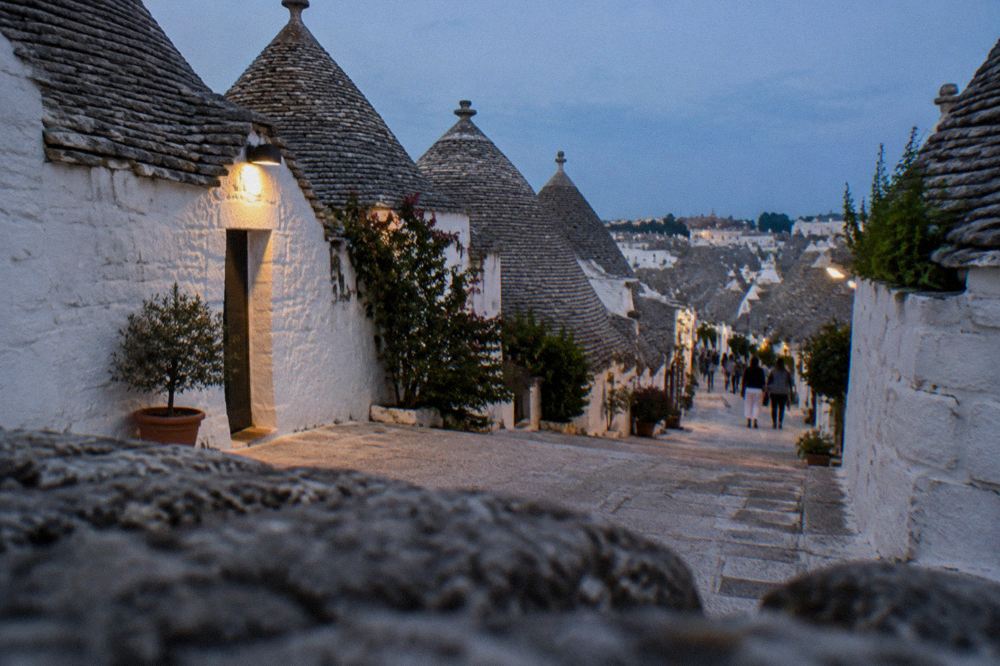
Alberobello is the classic family day trip, 68 km and about 1 h 23 by road from Matera Centrale, because its trulli houses are small, toy-like and walkable; closer options are Altamura at 20 km and about 20 minutes by road, and Metaponto on the Ionian coast at 47 km when a beach day is needed. All distances below are free-flow road computations from Matera Centrale station, so add time for summer traffic and parking.
| Destination | Road km | Drive time | Why it works with kids |
|---|---|---|---|
| Altamura | 20 | about 20 min | Bread city, plain centre, easy half day |
| Metaponto | 47 | about 52 min | Ionian beach and Greek ruins to run around |
| Craco | 57 | about 58 min | Ghost town on a hill, dramatic and short |
| Alberobello | 68 | about 1 h 23 | Trulli lanes, a UNESCO site children engage with fast |
| Polignano a Mare | 100 | about 1 h 29 | Adriatic cliff town and swimming |
| Monopoli | 110 | about 1 h 36 | Harbour, beaches, flat old town |
For families basing themselves in Matera without a car, the guided option is the Alberobello and Matera day tour with a tour leader, which strings the two UNESCO towns together with transport handled, or the dedicated Alberobello day trip guide if you are driving yourself. The Matera day trip from Bari page covers the reverse direction for families staying on the coast.
What Should A Family Budget For A Day In Matera?
A family of four with two children under 10 pays 25.00 EUR for the core sight tickets: two adult tickets at 8.00 EUR each for the Casa Grotta di Vico Solitario and two at 4.50 EUR each for one rupestrian church, with both children entering free at both sites under the operators' posted tariffs. These are the operators' own prices, not estimates. Meals, gelato and accommodation sit on top, and Matera charges a tourist tax collected by your accommodation, with the amount confirmed at booking rather than published on this site.
Adding a museum changes the arithmetic only on the adult side. MUSMA costs 10.00 EUR an adult with ages 7 to 18 at 5.00 EUR and free entry to age 6, and the Museo Nazionale di Matera sites are 10.00 EUR each, or a 15.00 EUR cumulative ticket valid two days, with everyone under 18 free. Bookable experiences layer on separately, and their live prices and ratings render in the listings rather than being typed here. The panoramic open-bus ride around the Sassi is a rest for tired legs with commentary; the Murgia Timone sunset walk ends the day at the canyon viewpoint; and the two-town day tour covers Alberobello. Beyond tours, the free tier is generous: the viewpoints, the pedestrian Piano, the canyon edge and the exterior of the rock churches cost nothing, which is the basis of the site's page on free things to do in Matera.
One warning on transport arithmetic: there is no Trenitalia station in Matera. The rail operator is FAL, and from Bari the posted weekday timetable involves a change at Altamura, about 1 h 45 to 2 h in total, with no trains on Sundays and public holidays, when replacement buses run. Check FAL's timetable page before committing a family to a rail day.
What Are The Practical Rules For Families Driving And Staying?
If you drive, respect the ZTL cameras at the Sassi gates, active 10:00 to 20:30 from 16 September to 30 June and 10:00 to 24:00 from 1 July to 15 September, park outside the restricted zones, and in an emergency call 112, the single European number live in the Matera district since 2 December 2025. Those are the two rules with teeth. The ZTL Centro around the shopping streets is enforced 24 hours a day, and the fines arrive later, by post, long after the holiday.
For sleeping, cave hotels in the Sassi put a family inside the scenery, with the trade-off that luggage, children and steps all meet at check-in; the site's guides to where to stay and to the Sassi hotels go into the trade in detail. On stretches with children, the three days in Matera plan paces the city over a longer stay, and the Puglia and Matera itinerary folds the city into a wider southern loop that families often drive.
Common Questions About Matera With Kids
Is Matera suitable for young children?
Yes, with conditions. The Sassi are steep, stepped and uneven, so toddlers travel better in a carrier than a stroller, but the city is compact, children under 10 enter the main cave sites free, and the Murgia park across the canyon gives them open ground. There is no sea at Matera; the coast is a day trip.
Do children pay to enter the cave houses and rock churches?
Children up to 10 enter the Storica Casa Grotta di Vico Solitario and the Oltre l'Arte rupestrian churches free, per the operators' posted tariffs. Ages 11 to 18 pay 3.00 EUR at the cave house. MUSMA is free to age 6, and the Museo Nazionale di Matera sites are free under 18.
Can you take a stroller into the Sassi?
Not comfortably. The two Sassi districts are built on a canyon slope of staircases and uneven stone, and no route through them is step-free. Keep the stroller on the Piano, the modern pedestrianised centre, and use a carrier below.
How many days does a family need in Matera?
Two days is the comfortable family pace: one for the Sassi, a cave house and a rock church, one for the Murgia side and the viewpoints, with gelato intervals. A single day works for the core sights, and three lets you add Alberobello or Altamura.
Is Matera too hot for kids in summer?
The ERA5 reanalysis, 1991-2020, puts the July and August mean highs at 31.2 and 31.3 °C, and the walking is uphill and down. May, June, September and October are cooler, and September, though the busiest month by arrivals, had a mean high of 25.7 °C.
What is the emergency number in Matera?
112, the single European emergency number, free with automatic location, live in the Matera district since 2 December 2025. It replaced the older local numbers as the primary contact.
A family trip to Matera rewards a little planning over the steps, the seasons and the ticket prices, and the rest takes care of itself: cave houses, canyon views and trulli an hour down the road are the kind of sight children remember.