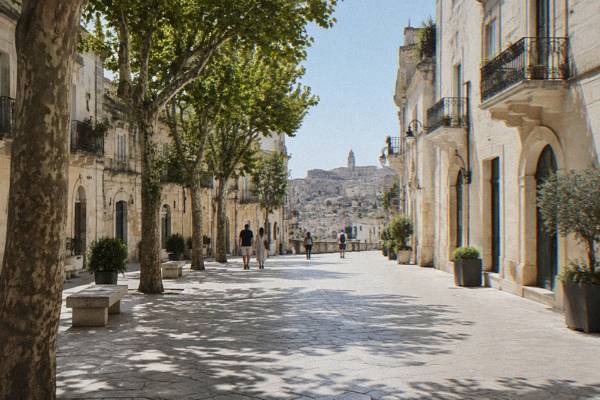
Matera 3 Days
Three days is the comfortable length for Matera in Basilicata: one day for the Sassi, one for the cave churches and museums, one for the Murgia plateau or an Alberobello day trip.
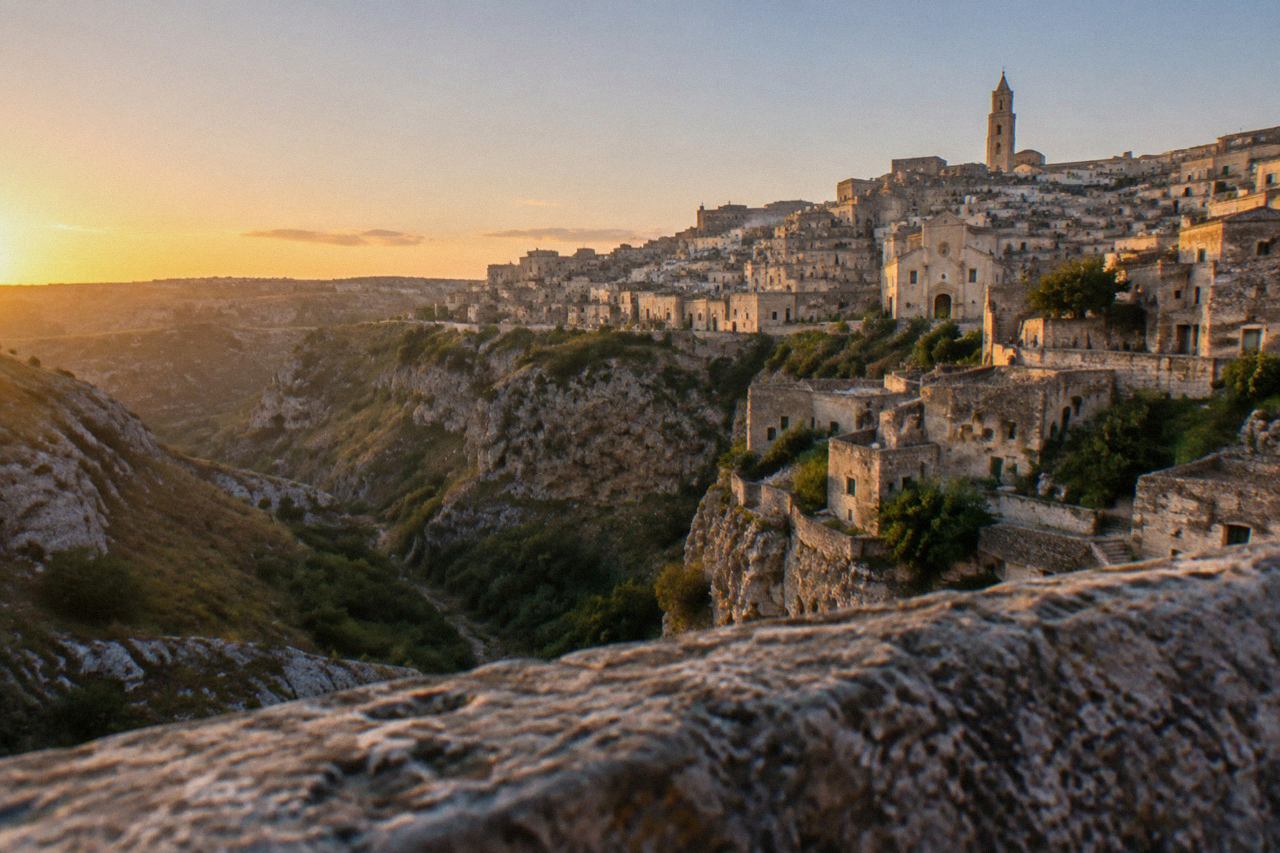
Short answer
Spend day one in the Sassi and the cave-house museums, day two on the rupestrian churches, the Cathedral and Palazzo Lanfranchi, and day three across the Gravina on the Murgia plateau or on an Alberobello day trip. September is the busiest month by arrivals, so book cave hotels and Crypt of the Original Sin slots early in that window.
Matera, in the region of Basilicata in southern Italy, is an inland city of cave dwellings and rock-hewn churches stacked along the edge of the Gravina canyon, and three days is the length that lets you see it without rushing. The APT Basilicata accommodation data shows why the extra time matters: guests averaged 1.56 nights in the city in 2025, which is barely enough for the Sassi themselves, while the plateau opposite, the rupestrian churches and the Puglia towns within day-trip range all sit outside a one-night stay. This itinerary spreads the city over two full days and gives the third to the Murgia or to Alberobello, and every price and date below comes from the operators' own published pages.
Is Matera Worth 3 Days, Or Is One Enough?
Three days is the right length for Matera if you want the Sassi, the rupestrian churches, the museums and either the Murgia plateau or an Alberobello day trip; one day covers the Sassi viewpoints and one cave house, and two days adds the churches and museums. The APT Basilicata data gives 479,083 arrivals in registered accommodation in 2025 with an average stay of 1.56 nights, and the city's density of ticketed sites rewards anything beyond that.
The honest answer depends on what you came for. The Sassi themselves, Sasso Caveoso and Sasso Barisano, can be walked in a morning, and the one-day Matera itinerary covers exactly that. What a single day cannot absorb is the interior of the cave churches, the Crypt of the Original Sin out on the SS7, the Murgia plateau across the canyon, or Alberobello, which sits about 1 h 23 of free-flow driving away by the OSRM routing figures. The two-day itinerary is the middle option; three days is the one that leaves nothing verified on this site unvisited.
There is also a seasonal argument. September 2025 logged 61,630 arrivals, the year's peak, against 15,239 in February, so the city runs roughly four times busier at the peak than at the winter low. In a busy month, queues at the Casa Grotta and timed slots at the Crypt of the Original Sin compress a short visit badly. Three days gives slack for a rained-off afternoon or a slot that sells out.
What Does Day One In Matera Look Like?
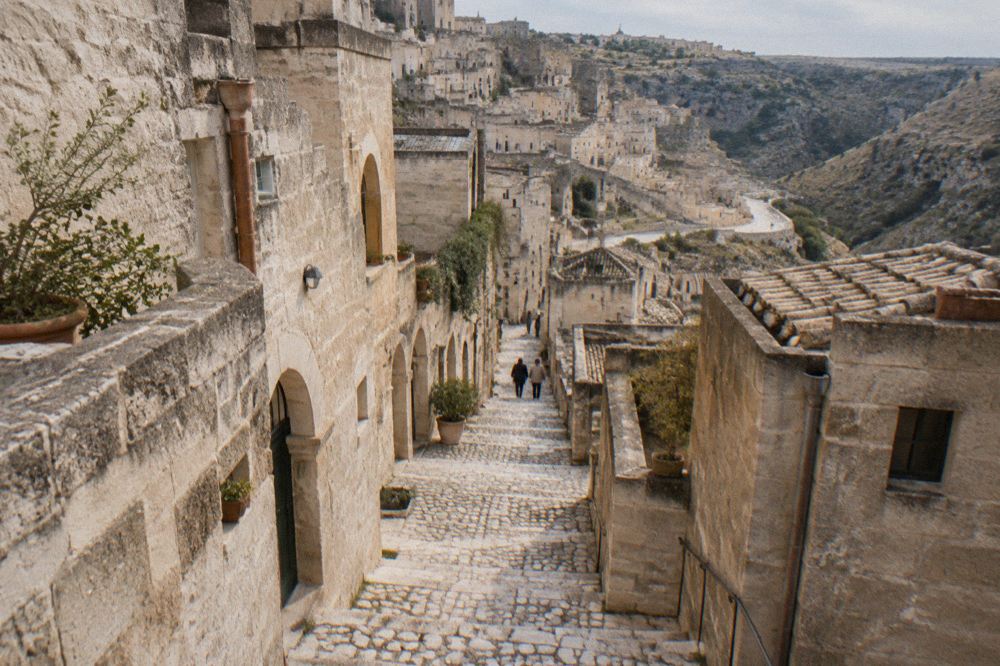
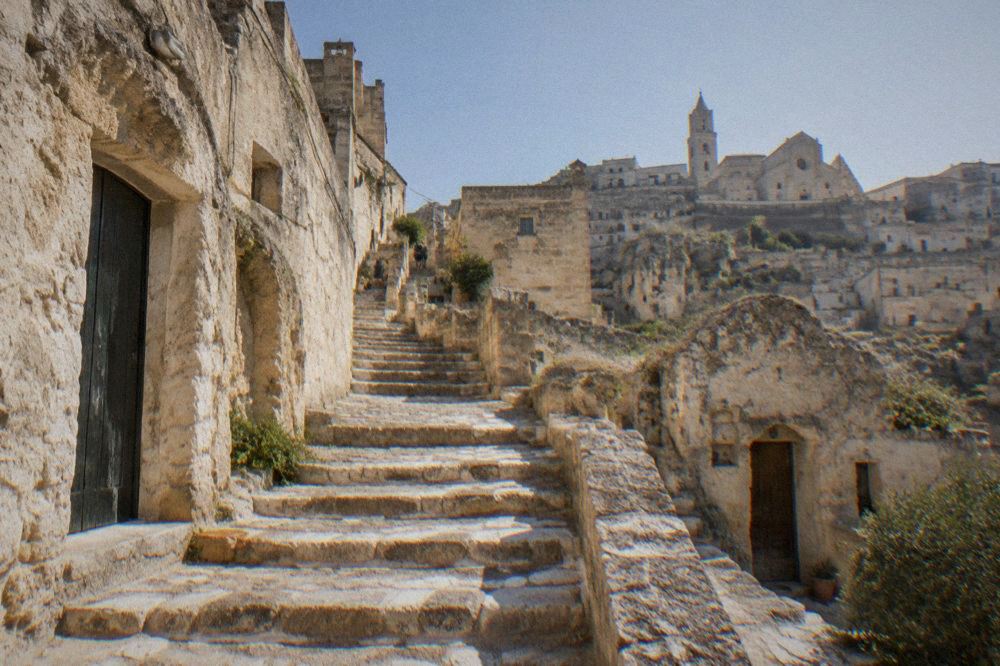
Day one is the Sassi: start on Piazza Vittorio Veneto above the cave city, descend into Sasso Caveoso through the stepped lanes, visit the Casa Grotta di Vico Solitario for 8.00 EUR full under the tariff in force from 4 April 2026, then cross into Sasso Barisano and finish at a viewpoint over the canyon at dusk. The whole day is on foot, and the ground is steep, stepped and uneven throughout.
Piazza Vittorio Veneto is the natural opening stop because the pavement hides the Sassi beneath it: the Palombaro Lungo, the vast water cistern, lies under the square itself. From the western edge the cave city drops away in front of you, and the descent into Sasso Caveoso starts immediately. The self-guided walking route on this site maps the full sequence if you would rather not join a group.
The Casa Grotta di Vico Solitario is the one cave-house interior to prioritise on day one. Its tariff page lists 8.00 EUR full, 5.00 EUR reduced, 3.00 EUR for ages 11 to 18 and free entry to age 10, and the ticket covers four spaces: the cave house, the Neviera ice store, a natural cave and the rock church of Sant'Agostino al Casalnuovo. Older guides still print 3 to 5 EUR, which was the pre-2026 tariff. The full Casa Grotta guide has the current hours by season.
Afternoon belongs to Sasso Barisano, the gentler of the two districts, with restored facades and cave hotels facing the canyon. End the day at a viewpoint. The Murgia side is at its best late, and the Sassi floodlit after dark are the image the city is known for; the Matera at night behaviour is the same in every season.
A guided morning saves the first day from orientation errors, because the Sassi's lanes are signed inconsistently and the districts drop steeply from the piano to the canyon floor. The Sassi walking tours hub on this site compares the group and private options, and tip-based walks also run locally; confirm the arrangement with the guide directly.
To get the Sassi explained on day one, book a Sassi guided tour with tasting here.
What Does Day Two Cover: Cave Churches, Cathedral And Museums?
Day two is interiors: the rupestrian churches run by Oltre l'Arte at 4.50 EUR for one church, 8.00 EUR for two or 10.00 EUR for three, the Cathedral and MATA diocesan museum at 4.00 EUR, then MUSMA at 10 EUR and Palazzo Lanfranchi at 10.00 EUR, with the 25.00 EUR all-inclusive ticket covering eight sites if you are doing them all. Book the Crypt of the Original Sin separately, in advance, for another day or late afternoon.
The three rock churches under Oltre l'Arte management are Santa Lucia alle Malve, Madonna de Idris with San Giovanni in Monterrone, and San Pietro Barisano, and the operator's ticket page lists the tiered prices above with free entry for children up to 10 with a parent. From 28 March 2026 the hours run to 19:30 for the first two and 19:00 for the third, with last entries 20 minutes before closing. The rupestrian churches guide covers what each interior holds.
The Cathedral sits on the Civita, the ridge between the two Sassi, and its combined ticket with the MATA museum is 4.00 EUR, daily 09:00 to 19:00, pausing for worship from 10:00 to 12:30 on Sundays and solemnities. The Cathedral guide explains the Romanesque detail worth looking for.
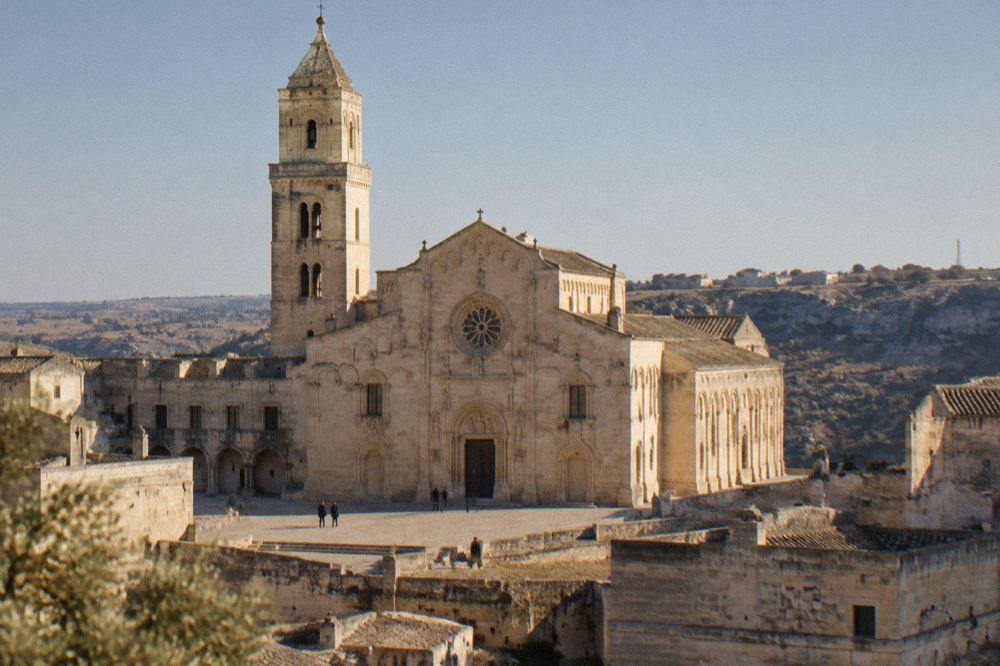
For the afternoon, pick one museum rather than two. MUSMA, the sculpture museum in a cave complex on Via San Giacomo, is 10 EUR full, open Monday to Sunday, 10:00 to 20:00 from April to September and to 18:00 the rest of the year. Palazzo Lanfranchi, the national museum, is also 10.00 EUR per site or 15.00 EUR for a cumulative ticket valid two days across every site, with under 18 free. Note two closures before you plan: the Museo Ridola has been closed since 7 April 2025 for energy works with no reopening date published, and Casa Noha, the FAI orientation museum, is closed 5 to 22 October 2026 for renovation ahead of a relaunch.
If day three will be Alberobello, decide tonight whether to book the escorted option. The Matera and Alberobello tour with a tour leader on board covers both UNESCO towns in a single booked day, and the operator's live listing carries the current price, dates and cancellation terms. Check availability before the evening crowds fill the departures.
What Does Day Three Look Like: The Murgia Plateau Or Alberobello?
Day three splits into two good options: cross the Gravina into the Parco della Murgia for the Belvedere Murgia Timone panorama and the Sentiero 406 suspension bridge, now under managed ticketed access since March 2026, or take an Alberobello day trip, about 68 km and 1 h 23 of free-flow driving each way by OSRM routing, best done by booked tour or early bus. A third option, the Crypt of the Original Sin, needs a pre-booked e-ticket at least 90 minutes before the slot.
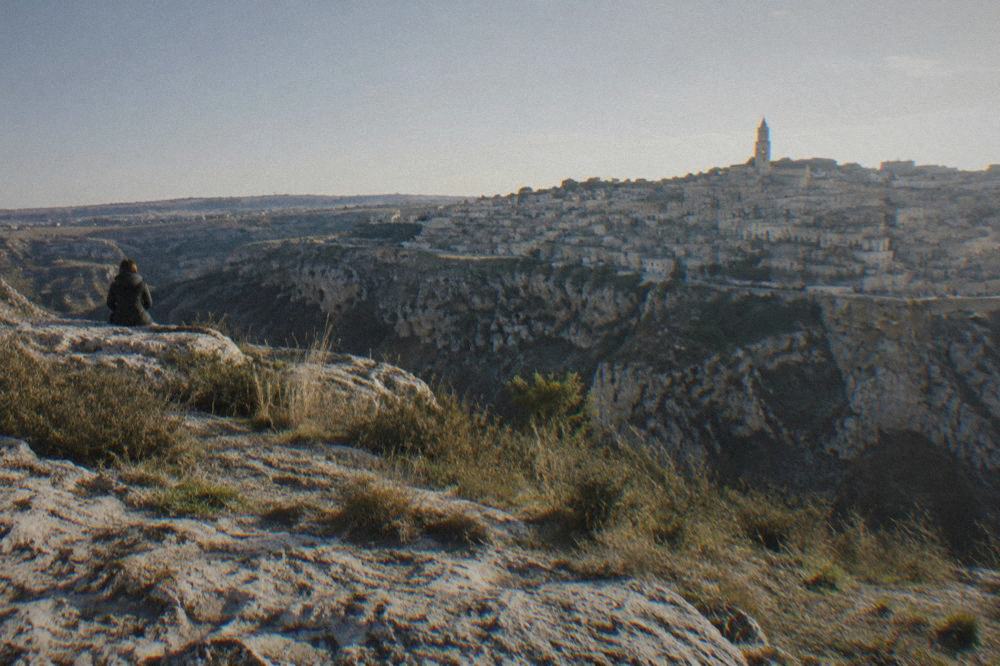
The Murgia side is the view you have been looking at for two days, seen from the other side. The park, created by regional law in 1990, covers about 8,000 hectares by the park's own count, with 923 plant species, about a sixth of the national flora, on its own site. Access to Murgia Timone now runs through the Jazzo Gattini visitor centre, active since 6 February 2026 under a new concession, which holds the info point and ticket office. The Parco della Murgia guide and the Belvedere Murgia Timone page carry the detail.
The Sentiero 406 path with the suspension bridge over the Gravina changed in 2026: the park announced a staffed access point on 5 March 2026 and sells an online access ticket, with half price under 25 and free entry for residents of Matera and Montescaglioso, under 6, and disabled visitors with a companion. The price is not settled across sources, so confirm it on the park's ticket page rather than trusting a figure in circulation. The Tibetan bridge guide explains the route and its conduct rules.
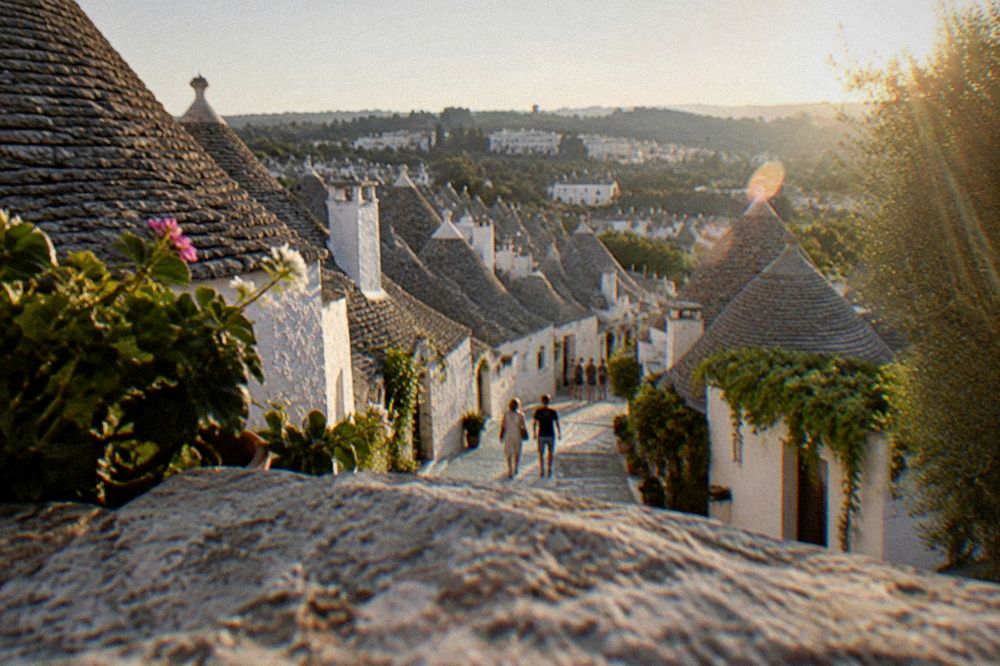
Alberobello is the alternative, and the Alberobello day-trip page covers the trulli town itself. The Matera and Alberobello in one day itinerary exists precisely for this third day. If you drive, note the ZTL: the Sassi gates run cameras from 10:00 to 20:30 between 16 September and 30 June, and to 24:00 from 1 July to 15 September, so a car left inside the zone is a car you cannot move during the day. The Matera parking guide and the ZTL explainer have the gate-by-gate hours.
How Should You Split The Days If You Arrive Late Or Leave Early?
Anchor each day to one zone and keep the two Sassi on day one, the churches and museums on day two, and the plateau or day trip on day three; if you lose an afternoon, drop a museum rather than a church interior, because the Oltre l'Arte churches carry the city's UNESCO inscription directly and the museums do not. If you lose a whole day, cancel Alberobello and fold the Murgia sunset into day two evening.
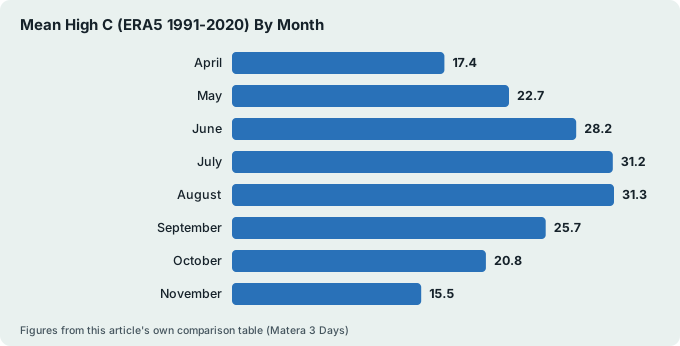
The sequencing logic is simple: the Sassi walk is the orientation day and needs daylight for the canyon views; the church interiors are shaded and work in the midday heat; the Murgia is at its best at the end of the day. The ERA5 reanalysis, 1991-2020, puts the July mean high at 31.2 C and August at 31.3 C, so in those months the cave interiors are genuinely the right midday activity, and the canyon rim belongs to early morning and after 17:00.
Travelling with children changes the split slightly; the Matera with kids itinerary swaps one museum for the open-top eco-bus ride and the viewpoints. A wet afternoon is not a lost afternoon either: the rainy-day itinerary lists the covered interiors, and November is the wettest month at 67.1 mm in the ERA5 normals, so have it bookmarked if you travel late autumn.
What Should You Eat Across Three Days In Matera?
Plan one seated dinner a day around the Sassi's cave restaurants, one bread-and-focaccia lunch from a forno, and one tasting or cooking experience slotted into an afternoon; the city's registered specialities are Pane di Matera, the PGI bread registered in 2008, and the Basilicata staples of peperoni cruschi and local DOC wine, and the food tour on this site maps the districts dish by dish.
The bread is the place to start, because it shapes every table in the city. The what to eat in Matera guide covers the full plate: the crumb-heavy PGI loaf, the cruschi peppers fried crisp, the legume and pasta dishes of the Materan tradition, and the Aglianico-based reds of the region. The best restaurants guide lists where to book, and in September, with 61,630 arrivals in the month, booking is not optional for a cave-restaurant table with a view.
A tasting slot fits day two or three afternoon well. The Matera wine guide explains what grows around the city, and the small-group tasting and food-pairing experiences in the food and drink category render with live prices from the operator's listing. A pasta class in a wine cellar or at a farmhouse is the deeper version, and works as a day-two or day-three afternoon if the churches have been done.
For a stay that bundles the table with the tour, the Discover Matera package combining an overnight, a meal and a Sassi tour is the one product on this site built around exactly that; the listing carries the current inclusions and price. Check availability if the bundle matches your dates.
What Does 3 Days In Matera Cost In Tickets?
The verified ticket core of a three-day visit runs to 32.00 EUR per adult at full price, the sum of 8.00 EUR for the Casa Grotta di Vico Solitario, 10.00 EUR for three Oltre l'Arte churches, 4.00 EUR for the Cathedral and MATA, and 10.00 EUR for either MUSMA or Palazzo Lanfranchi, before food, accommodation, the tourist tax confirmed at booking, and any day-trip cost.
The 25.00 EUR Oltre l'Arte all-inclusive ticket replaces several line items if you are doing eight sites.
The table below collects the verified admission prices read on the operators' own pages. Every figure is a full adult ticket unless stated; reductions exist for children, students, groups and FAI members at nearly every site.
| Site | Full ticket | Notes from the operator's page |
|---|---|---|
| Casa Grotta di Vico Solitario | 8.00 EUR | Covers cave house, Neviera, natural cave, rock church; tariff from 4 April 2026 |
| Oltre l'Arte, 3 rupestrian churches | 10.00 EUR | 4.50 EUR one church, 8.00 EUR two; children to 10 free with a parent |
| Cathedral and MATA | 4.00 EUR | Daily 09:00 to 19:00; Sunday pause 10:00 to 12:30 |
| MUSMA | 10 EUR | Reduced 5 or 7 EUR; free to age 6 |
| Museo Nazionale, Palazzo Lanfranchi | 10.00 EUR | 15.00 EUR cumulative, 2 days, all sites; under 18 free |
| Casa Noha (FAI) | 6.50 EUR | Children 3 EUR; closed 5 to 22 October 2026 |
| Oltre l'Arte all-inclusive, 8 sites | 25.00 EUR | Reduced 16.00 EUR; closes 25 December and 2 July |
Two prices are deliberately absent because no official figure could be read: the Palombaro Lungo and the Crypt of the Original Sin print no confirmed tariff on an operator page, and the Sentiero 406 access price is in conflict between sources. Confirm those at booking. The church tickets and passes guide works out which combinations save money for your exact plan.
When Is The Best Month For A 3-Day Visit?
The APT Basilicata data points to May or October as the value months: May 2025 logged 54,101 arrivals and October 52,538, both under September's 61,630 peak, while the ERA5 reanalysis, 1991-2020, puts the May mean high at 22.7 C and October's at 20.8 C against July and August means above 31 C. September is the busiest month, not August, and 74.5% of its arrivals came from abroad.
The pairing is the useful part. July is as warm as August by the modelled normals, 31.2 against 31.3 C mean high, yet July 2025 drew 43,966 arrivals, fewer than April, May, June, August, September or October. The crowd peaks in September, when the mean high has already fallen to 25.7 C. If warm evenings matter more than thin crowds, early October is the compromise; if empty lanes matter most, February's 15,239 arrivals come with a 11.1 C mean high and frost at night.
| Month | Mean high C (ERA5 1991-2020) | Rain mm | Arrivals 2025 (APT) |
|---|---|---|---|
| April | 17.4 | 56.5 | 45,195 |
| May | 22.7 | 41.7 | 54,101 |
| June | 28.2 | 35.1 | 50,186 |
| July | 31.2 | 21.2 | 43,966 |
| August | 31.3 | 21.7 | 60,257 |
| September | 25.7 | 44.8 | 61,630 |
| October | 20.8 | 51.7 | 52,538 |
| November | 15.5 | 67.1 | 23,555 |
Events can outweigh weather. The Festa della Bruna falls every year on 2 July, a date fixed since 1389 by the organisers' own history, and all Oltre l'Arte sites close that day. The Presepe Vivente nei Sassi runs on the December weekends and 2 to 3 January 2027, at 12.00 EUR full and 9.00 EUR for ages 10 to 18, free under 10. The best time to visit guide and the events calendar carry the full picture.
Where Should You Stay For 3 Days In Matera?
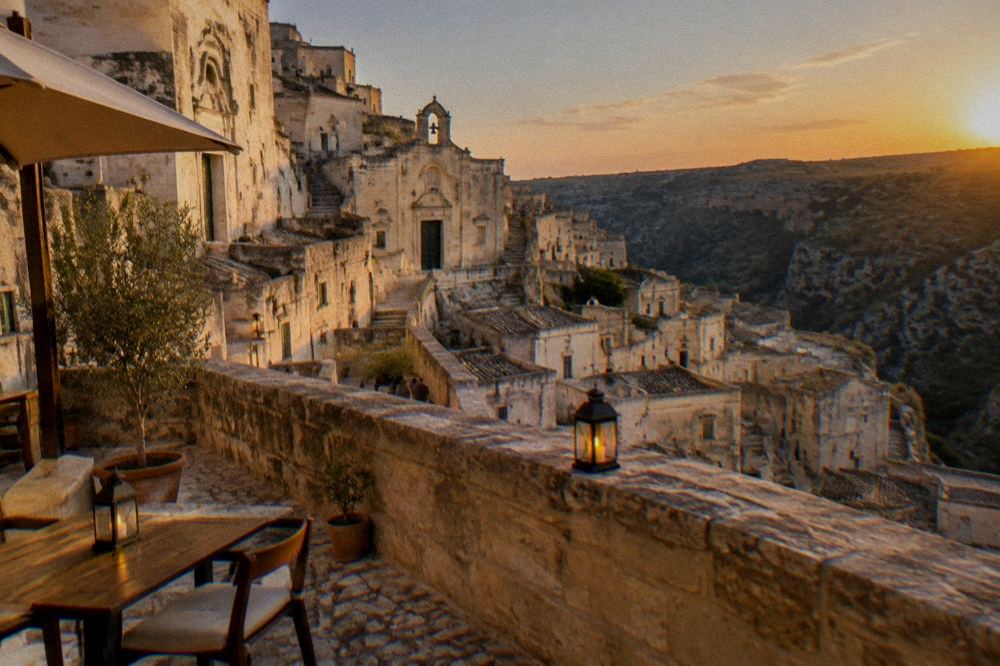
Stay inside the Sassi or on the edge of the Civita for two of the three nights at least, because the districts are the sight and the evening light on the canyon is the payoff; the cave-hotel stock is concentrated in Sasso Barisano and the upper Sasso Caveoso, and the ZTL camera hours, 10:00 to 20:30 for most of the year, mean a car cannot conveniently serve a Sassi base during the day.
Choose the modern piano only if arrival is by train with luggage, since Matera Centrale sits on the plateau edge.
The cave hotels are the category Matera does better than anywhere, converted from the same dwellings the Casa Grotta museum preserves unfurnished. The where to stay guide and the cave hotels and Sassi hotels pages break the districts down street by street. This site never quotes a nightly rate: prices move by season and the tourist tax is confirmed at booking, so treat any figure you see elsewhere with caution.
If you arrive by car, read the parking guide before booking, because a Sassi address means parking outside the ZTL gates and a walk down. If you arrive from Bari by train, the Bari to Matera guide covers the FAL line, about 1 h 45 to 2 h with a change at Altamura, and the fact that no trains run on Sundays and public holidays, when replacement buses take over.
What Day Trips Fit Around A 3-Day Base In Matera?
Alberobello is the classic third-day trip at about 68 km and 1 h 23 free-flow each way, but the verified OSRM table puts Metaponto at 47 km for the Ionian coast, Altamura at 20 km, Craco at 57 km and Castelmezzano at 82 km, so a three-day base can reach coast, ghost town and mountain village without changing hotels. Polignano a Mare on the Adriatic is 100 km, about 1 h 29.
There is no sea at Matera, and the coast is genuinely a day trip: Metaponto on the Ionian for the Greek ruins and the beach, Polignano a Mare or Monopoli on the Adriatic. Inland, the options are unusually dense for a small region. The table below is the verified driving data, computed with the OSRM engine over OpenStreetMap, free-flow, from Matera Centrale.
| Day trip | Road km | Free-flow drive |
|---|---|---|
| Altamura | 20 | 20 min |
| Crypt of the Original Sin ticket office | 13 | 19 min |
| Metaponto | 47 | 52 min |
| Craco | 57 | 58 min |
| Alberobello | 68 | 1 h 23 |
| Polignano a Mare | 100 | 1 h 29 |
| Castelmezzano | 82 | 1 h 23 |
The Puglia and Matera itinerary and the Basilicata road trip pages build multi-stop versions of the same geography. For a first visit folded into a three-day city stay, Alberobello alone is the realistic pick, and the escorted version is the one that removes the parking question entirely, since trulli-town parking and the ZTL rules back home both disappear into a booked seat.
What Should You Know Before Arriving In Matera For 3 Days?
Pack shoes with grip, expect the tourist tax to be added by your accommodation at a rate confirmed at booking, save 112 as the emergency number, which the Matera district joined on 2 December 2025, and know that the Sassi terrain is steep, stepped and uneven, so no named route here is step-free. If you are driving, the ZTL camera hours and the absence of trains on Sundays are the two facts that most often catch visitors out.
The packing question has its own answer page, and the short version is layers: the ERA5 normals put January's mean low at 2.2 C and July's mean high at 31.2 C, and cave interiors hold a cool temperature year-round, so a summer visit still wants something with sleeves for the churches. The accessibility guide is honest about the terrain, and the travel tips page collects the rest.
Transport has three traps. First, there is no Trenitalia station in Matera; the operator is FAL, with a change at Altamura from Bari, and FAL's own notices show programme changes on the Matera Sud to Altamura stretch from 12 October 2026, so read the live timetable rather than a cached one. Second, the Bari Airport shuttle has no officially readable timetable or fare, so confirm at the airport or book a transfer. Third, the ZTL gates listed above are camera-enforced, weekdays and holidays alike. The how to get to Matera guide handles all of it in one place.
Common Questions About 3 Days In Matera
Is 3 days in Matera too much?
No. The APT data shows the average guest stayed just 1.56 nights in 2025, which covers the Sassi walk and little else; three days adds the rupestrian church interiors, a museum, the Murgia plateau and an Alberobello day trip without rushing any of them.
Can you do Matera and Alberobello in 3 days?
Yes. Two days in Matera plus one Alberobello day trip, about 68 km and 1 h 23 free-flow driving each way, is a standard three-day split, and the escorted Matera and Alberobello tour with a tour leader on board covers both in one booked day.
What is the best month for 3 days in Matera?
May or October by the numbers: May 2025 logged 54,101 arrivals and October 52,538, under September's 61,630 peak, with ERA5 1991-2020 mean highs of 22.7 C and 20.8 C. September is the busiest month, not August.
Do you need a car for 3 days in Matera?
No. The city itself is entirely walkable, Alberobello is reachable by booked tour, and the ZTL camera hours make a car a liability inside the Sassi. A car only earns its keep if the third day is Metaponto, Craco or the Basilicata interior.
What should you book in advance for 3 days in Matera?
The cave hotel, the Crypt of the Original Sin, whose e-ticket must be bought at least 90 minutes before the slot, and any escorted tour. The Casa Grotta and Oltre l'Arte churches sell tickets on the door, but in September, the 61,630-arrival month, an early-museum start beats a queue.
Is Matera expensive for 3 days?
The verified ticket core is 32.00 EUR per adult across the Casa Grotta, three rupestrian churches, the Cathedral and MATA and one museum, before food and lodging. The tourist tax is collected by the accommodation at a rate confirmed at booking, and this site quotes no nightly rates.
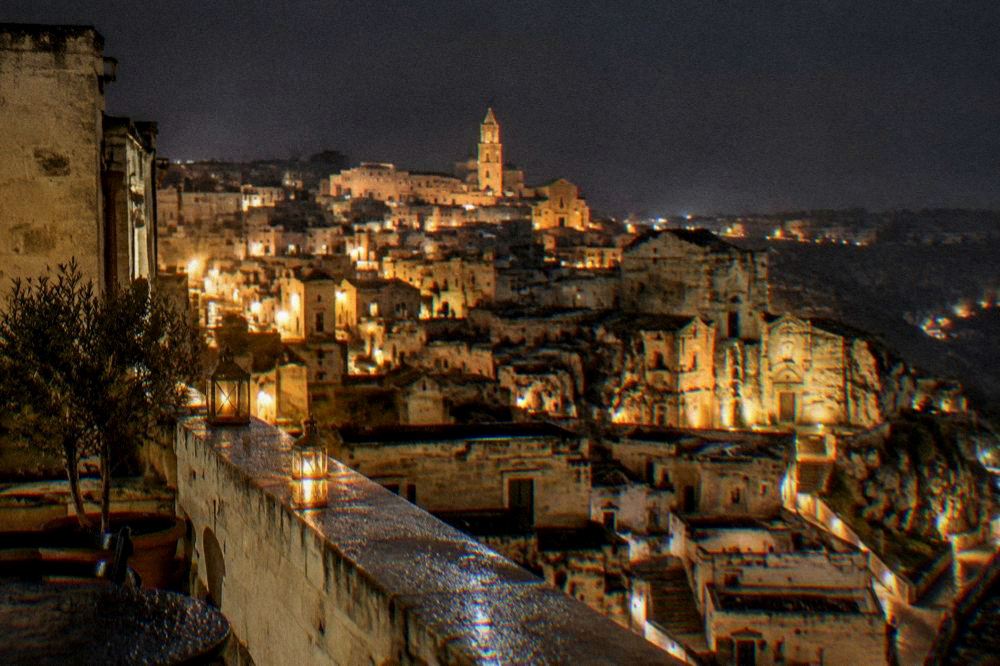
Three days in Matera, spent this way, leaves the city seen from inside its caves, from its museum halls and from the far rim of the Gravina, which is every angle the site deserves. The Matera Travel Guide homepage holds the full site index if a fourth day is calling.