Matera 2 Day Itinerary
Two days is enough to see the Sassi of Matera properly: one day for the cave city itself, one for the Murgia side of the canyon, with tickets, walking routes and pacing drawn from the operators' own pages.
Short answer
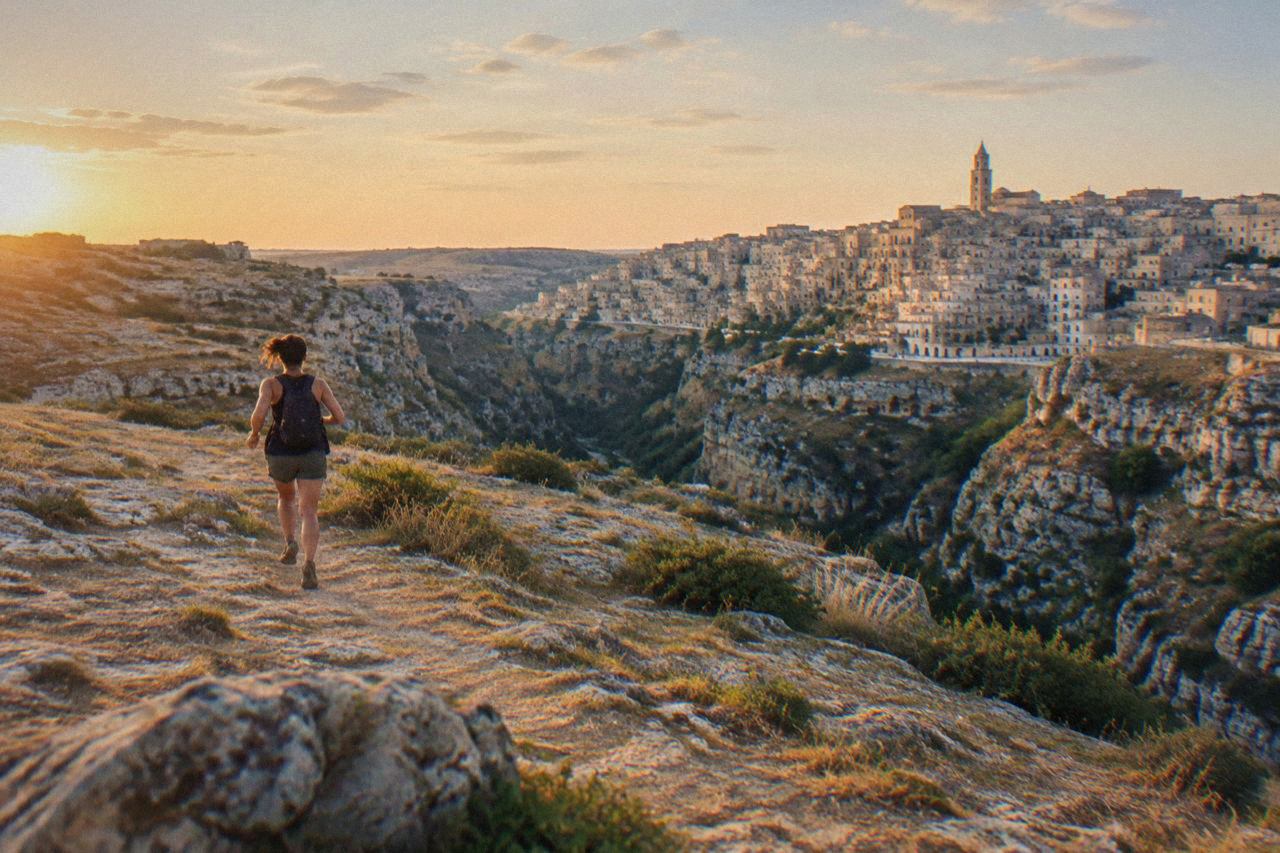
Spend Day One inside the Sassi: Piazza Vittorio Veneto, a cave house, the rupestrian churches and the Cathedral. Spend Day Two across the canyon on the Murgia plateau for the classic view, then Sasso Barisano, museums and food. September and May are the sweet spots: 61,630 arrivals in September 2025 make it the busiest month, against 15,239 in February.
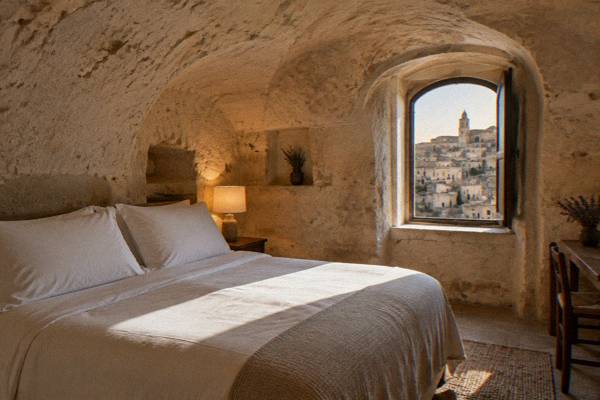
Matera sits inland in Basilicata, southern Italy, at about 400 m above sea level on the edge of the Gravina canyon, and its two cave districts, Sasso Caveoso and Sasso Barisano, hold more than a thousand dwellings cut into pale tufa limestone, part of a UNESCO World Heritage site inscribed in 1993. Two days is the length that lets you walk both districts, enter a furnished cave house, visit the rock-hewn churches, cross to the Murgia plateau for the classic view across the canyon and still eat well, without the rush that flattens a one-day visit. This itinerary paces exactly that, with the ticket prices and hours the operators themselves publish and the pacing decisions explained rather than asserted.
What Does A Perfect Matera 2 Day Itinerary Look Like?
The strongest shape for two days in Matera splits the city in half: Day One covers the canyon side, Piazza Vittorio Veneto, Sasso Caveoso, a cave house, the rupestrian churches and the Cathedral, all walkable in a loop; Day Two crosses to the Murgia plateau for the view of the Sassi from the opposite rim, then returns for Sasso Barisano, a museum such as MUSMA or Palazzo Lanfranchi and a slow food evening. Built that way, no route repeats itself and every steep section is walked downhill where it can be.
The Sassi are steep, stepped and uneven, so the order of each day matters more than in a flat city. Oltre l'Arte's ticket page, which runs the main rupestrian churches, lists hours from 28 March 2026 of 09:30 to 19:30 for Santa Lucia alle Malve and Madonna de Idris, and 10:00 to 19:00 for San Pietro Barisano, which means churches fit naturally on a morning and viewpoints at sunset. The APT Basilicata accommodation data gives 479,083 arrivals in 2025 with a peak of 61,630 in September, so midweek dates outside that peak spread the lanes more thinly.
Here is the skeleton both days follow, with the detail in the sections below:
| Slot | Day One: The Cave City | Day Two: The Canyon Rim And Back |
|---|---|---|
| Morning | Piazza Vittorio Veneto, the cliff-face viewpoint, then a guided walk into Sasso Caveoso | Belvedere Murgia Timone across the Gravina, or a guided Murgia sunset tour if the afternoon is reserved |
| Midday | Casa Grotta di Vico Solitario, then Santa Lucia alle Malve and Madonna de Idris | Jazzo Gattini visitor centre, Sentiero 406 and the suspension bridge for the energetic |
| Afternoon | The Cathedral and MATA, then San Pietro Barisano in Sasso Barisano | MUSMA or Palazzo Lanfranchi, Sasso Barisano lanes, shopping |
| Evening | A cave restaurant in the Sassi, then the floodlit view from Piazza Vittorio Veneto | Aperitivo on a terrace, dinner in the Piano or the Sassi |
Day One In Matera: How Do You Walk The Sassi Without Missing The Cave City?
Start Day One at Piazza Vittorio Veneto, look over the cliff edge into Sasso Barisano, then descend into Sasso Caveoso via the stepped lanes to the Casa Grotta di Vico Solitario, the rupestrian churches of Santa Lucia alle Malve and Madonna de Idris and the Church of San Pietro Caveoso, ending the loop at the Cathedral on the Civita ridge. That single loop, taken slowly with entries, is a full day and touches every layer of the city: the furnished cave dwelling, the rock church and the baroque plateau above.
The Casa Grotta di Vico Solitario is the furnished cave house that shows how materani families lived in these rooms until the evacuation that moved residents out between 1952 and the 1970s. Its tariff page lists 8.00 EUR full entry, 5.00 EUR reduced, 3.00 EUR for ages 11 to 18 and free entry to age 10, a tariff in force from 4 April 2026, and the ticket covers four spaces: the cave house, the Neviera ice store, a natural cave and the rock church of Sant'Agostino al Casalnuovo. Hours run to 19:00 or 20:00 on weekdays and weekends depending on the season, with last entry 20 minutes before closing.
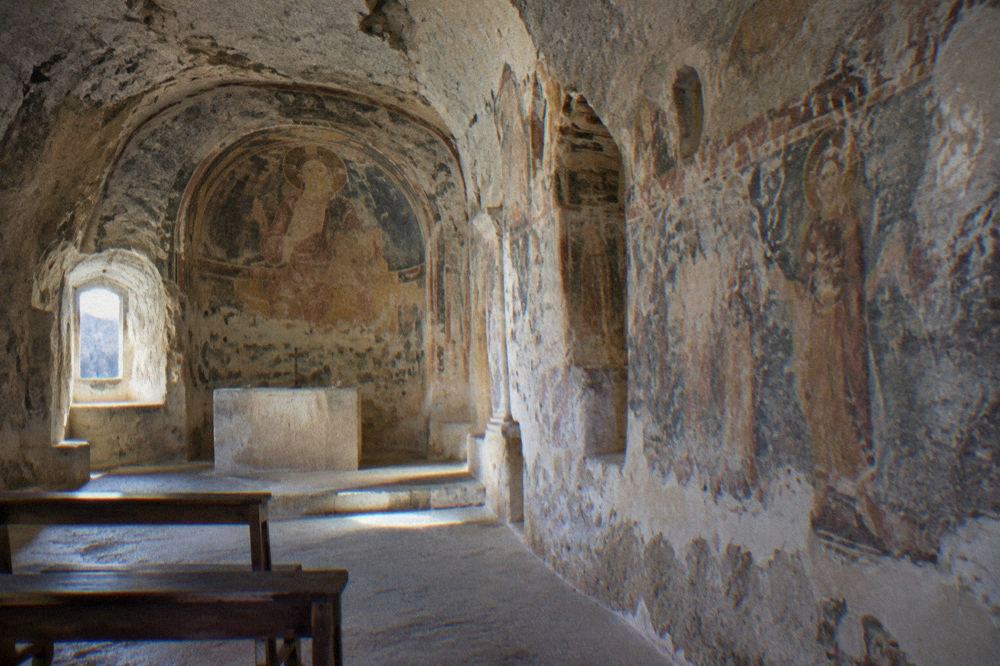
The rupestrian churches are the reason UNESCO inscribed the site in 1993 under criteria (iii), (iv) and (v), citing "an outstanding example of a rock-cut settlement" with "continuity over more than two millennia". Oltre l'Arte's ticket page prices them at 4.50 EUR for one church, 8.00 EUR for two and 10.00 EUR for three, with an all-inclusive 25.00 EUR ticket (16.00 EUR reduced) that adds Vicinato a Pozzo, the Antica Casa Grotta in Via Fiorentini, MATA, the Chiesa del Purgatorio exhibition and the Museo del Pane. All Oltre l'Arte sites close on 25 December and 2 July, the day of the Festa della Bruna.
A guided walk explains what the empty rooms cannot, and a licensed guide also unlocks the reduced with-guide church tickets of 2.50, 4.00 and 5.00 EUR listed by Oltre l'Arte. The Sassi walking tour options on this site cover that ground; the desk's shortlist for the two-day visitor is below.
To have the empty rooms explained by a licensed guide, book a Sassi guided walking tour here.
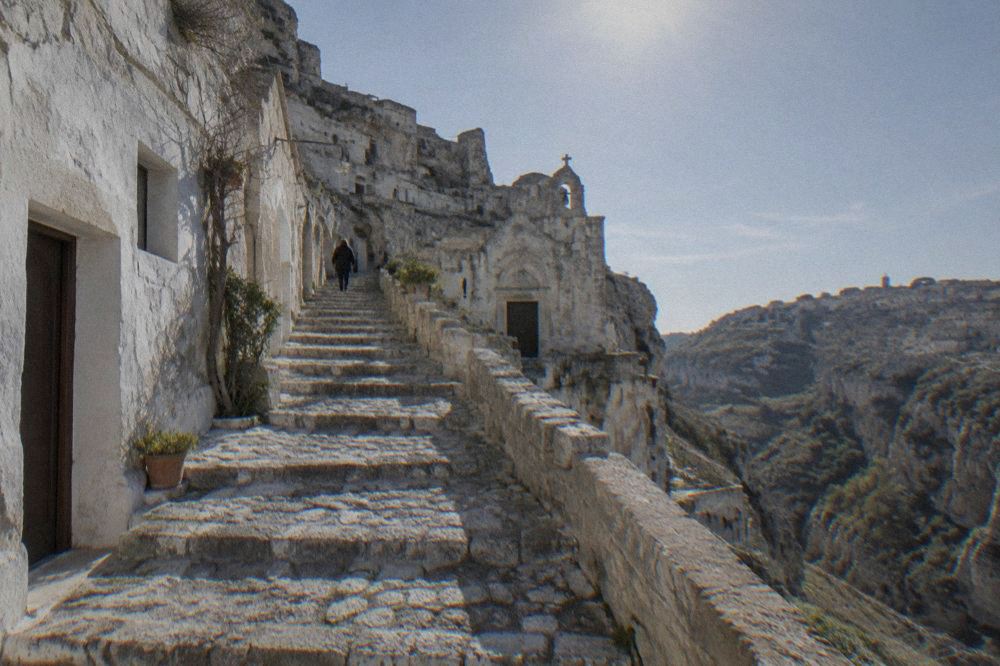
Finish the afternoon on the Civita ridge. The Cathedral, dedicated to Santa Maria della Bruna, is open with the MATA diocesan museum on a 4.00 EUR combined ticket, daily 09:00 to 19:00 with last entry at 18:45, pausing for worship on Sunday mornings between 10:00 and 12:30. From the terrace by the Cathedral the two Sassi fall away on either side, which is the moment the map finally makes sense. For a deeper read of how the districts differ, see the Sassi di Matera explained, and for the single furnished cave house in detail, Casa Grotta di Vico Solitario.
The Museums section of the national museum lists the Palazzo Lanfranchi site at 10.00 EUR with site hours Monday to Sunday 09:00 to 20:00, and a 15.00 EUR cumulative ticket valid two days across all its sites, free for under-18s. The Museo Ridola branch, however, has been closed since 7 April 2025 for energy works and a new display, and no reopening date has been published, so it stays off this itinerary until that changes.
Where Should You Eat On Day One In Matera?
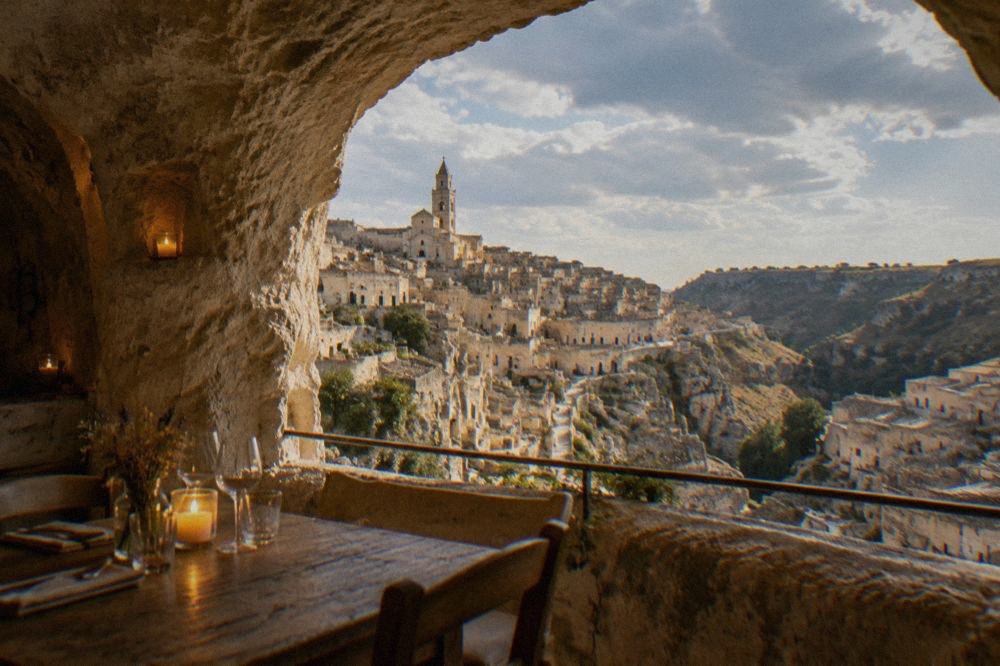
Eat Day One's lunch as street food in the Sassi, bread and pane di Matera based, then book dinner in a cave restaurant inside Sasso Caveoso or Sasso Barisano, where rooms carved into the tufa hold a steady cool temperature year round. Matera's food identity is peasant Basilicata: the IGP bread registered in 2008, crucchi peppers, lamb, legumes and Aglianico del Vino wine, and the cave dining rooms serve it steps from the lanes you walked all day.
The desk does not rate restaurants, but the planning table below is honest about what each part of the day offers:
| Meal | Where In Matera | What To Expect |
|---|---|---|
| Breakfast | A bar on the Piano or Piazza Vittorio Veneto | Espresso and a cornetto, the standard Italian counter breakfast |
| Lunch | A bakery or friggitoria near the Sassi lanes | Focaccia, pane di Matera with toppings, fried savouries |
| Aperitivo | A terrace on the Civita or a cave bar in the Sassi | Aperitivo with local wine, olives and taralli |
| Dinner | A cave restaurant in Sasso Caveoso or Sasso Barisano | Basilicata dishes served in tufa rooms; book ahead in September |
| Late | The floodlit viewpoint at Piazza Vittorio Veneto | The Sassi lit at night, no ticket needed |
Readers who want the food angle built into the visit can compare the guided options in the Matera food tour guide, and the broader survey of the city's tables is in where to eat in Matera. For a tasting with a view of how olive oil shapes this cuisine, the food and wine tours among the picks below pair the Sassi with producers outside the city.
Day Two In Matera: What Is Across The Canyon And When Should You Go?
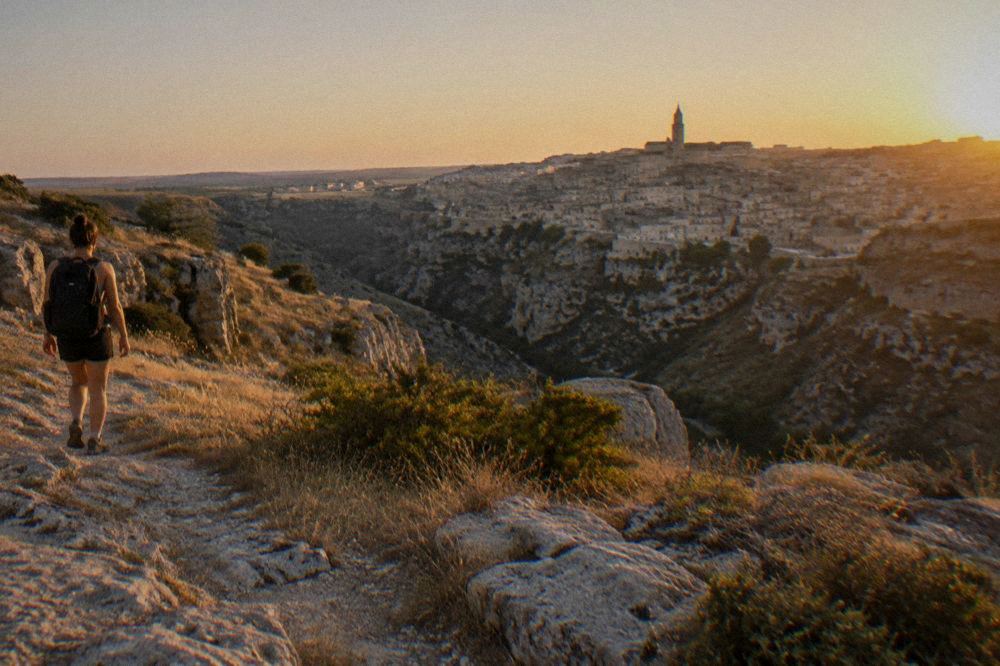
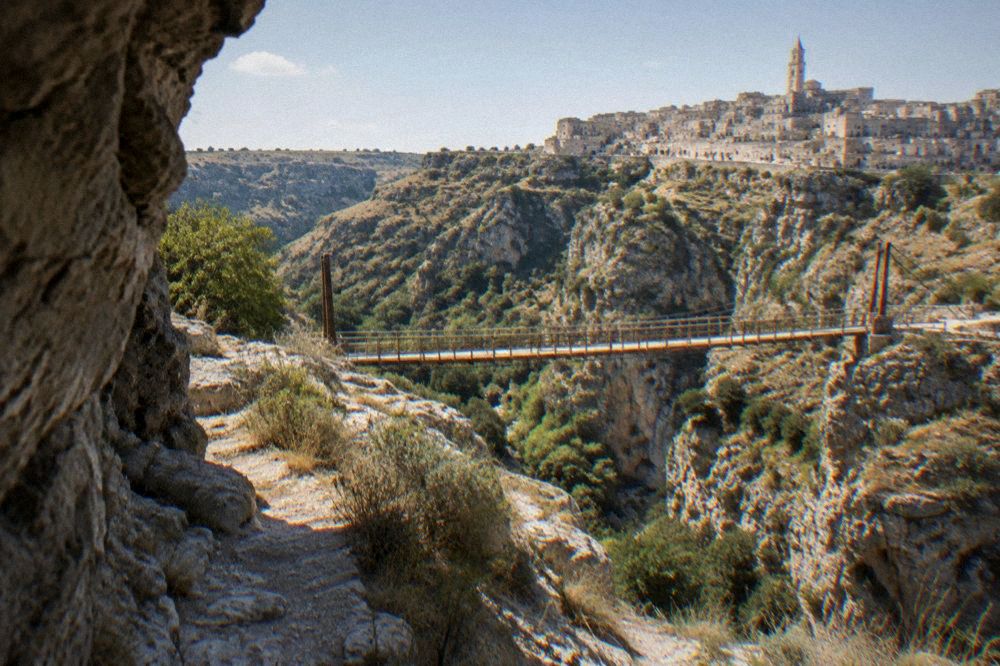
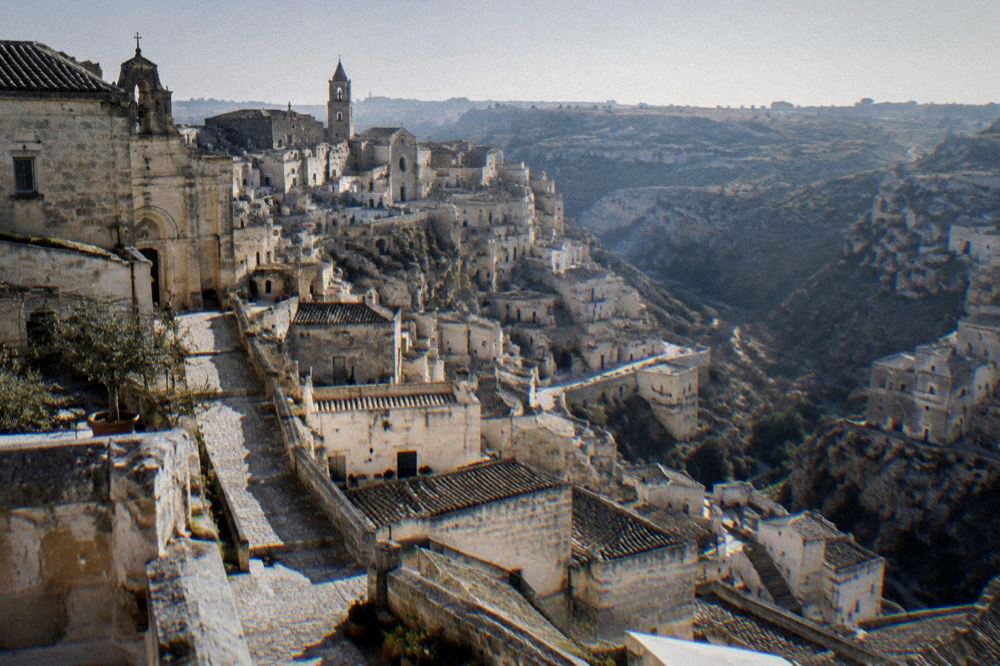
Day Two belongs to the opposite rim: the Murgia plateau, where the Jazzo Gattini visitor centre, active since 6 February 2026, controls access toward Belvedere Murgia Timone, the viewpoint that frames the whole Sassi skyline across the Gravina, with the Sentiero 406 suspension bridge below for a canyon-floor walk. Seen from there, the cave city reads as a single cliff face of caves and chimneys, and this is the picture that made Matera a film location from Pasolini's 1964 Gospel to No Time to Die in 2021.
The park, created by regional law in 1990, covers about 8,000 hectares by the park's own count, and UNESCO cites it jointly with the Sassi. Access to the Murgia Timone side now runs through managed points: the park announced a staffed access point and an online access ticket for Sentiero 406 on 5 March 2026, sold through the park's ticketing site, with half price for under-25s and free entry for residents of Matera and Montescaglioso, children under 6 and disabled visitors with a companion. The access price itself is unsettled between the ticket page's text and press reports, so confirm it at booking rather than trusting either figure. More of these guides are collected on Matera Travel Guide.
Timing matters because the midday sun flattens the view and the summer heat is real: the ERA5 reanalysis, 1991-2020, puts the July mean high at 31.2 C and August at 31.3 C, against 25.7 C in September and 20.8 C in October. Early morning and late afternoon are the two windows, and the sunset options among the tours below include the transfer, which removes the parking question entirely.
| Murgia Option | What It Is | Best Window |
|---|---|---|
| Belvedere Murgia Timone | The classic panoramic terrace facing the Sassi | Sunrise or late afternoon |
| Jazzo Gattini visitor centre | Info point and ticket office since 6 February 2026 | Start here for access info |
| Sentiero 406 and suspension bridge | Managed trail to the bridge over the Gravina | Morning, with water and shoes |
| Guided Murgia sunset tour | Walk with transfer from Matera | Golden hour into dusk |
After the Murgia, give the second half of Day Two to Sasso Barisano, the district of restored facades and workshops rather than raw caves. MUSMA, the sculpture museum carved into cave rooms in Sasso Caveoso at Via San Giacomo, lists 10 EUR full entry with 5 and 7 EUR reductions, open Monday to Sunday, 10:00 to 20:00 from April to September and 10:00 to 18:00 the rest of the year. Casa Noha, the FAI interpretation house that explains the Sassi's history in a compact visit, is closed 5 to 22 October 2026 for renovation ahead of a relaunch with new displays, so check its status if your two days fall in that window. The district detail is in Sasso Barisano and Sasso Caveoso.
A private guide is the other lever worth pulling on a two-day visit: with a fixed group and a full loop, the private format sets its own route and pace, and it pairs naturally with the Murgia half-day on a tight schedule. Cancellation terms are on the operator's live listing, so nothing is locked until you are sure of the weather window.
Should You Add Alberobello To A Two Day Matera Trip?
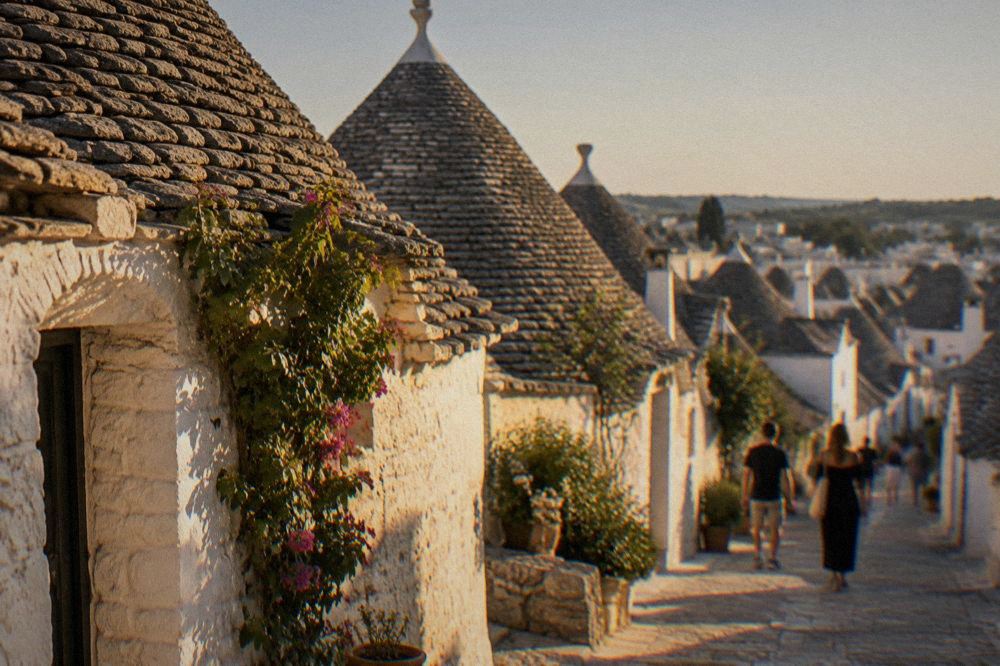
Alberobello, the trulli town in Puglia 68 km and about 1 h 23 by road from Matera Centrale, is the one detour that pairs well with two days, but only if you take it on Day Two afternoon after the Murgia morning, or by swapping the museum half-day, because both towns are compact and the drive between them is short. It is a different region, Puglia, not Basilicata, and a different vernacular: dry-stone conical roofs against Matera's carved caves.
A guided trulli walk explains the construction and the history that self-guided wandering misses, and the two-hour format leaves the day intact. The tour below is the desk's pick for that half-day, and the fuller comparison of both towns, including which one deserves the overnight, is in Matera and Alberobello in one day.
If you would rather not drive, the pairing also works as an organised day tour from Matera, and readers with a third day should read the three day Matera itinerary for how the extra time changes the plan. For the related trulli walk specifically, Check availability on the operator's live listing before locking Day Two.
What Should You Skip If You Only Have Two Days In Matera?
With two days, skip the Crypt of the Original Sin, the Palombaro Lungo unless the underground fascinates you, Craco and the coast, because the crypt requires a booked car slot 13 km away, the coast is 47 to 100 km away and none of them repay the time taken from the Sassi and the Murgia on a first visit. Two days is a first-visit length, and first visits should not be diluted.
The distances make the case:
| Detour | Road Distance From Matera | Free-Flow Drive Time | Verdict For 2 Days |
|---|---|---|---|
| Crypt of the Original Sin | 13 km | about 19 min | Skip: booked slots and set times |
| Altamura | 20 km | about 20 min | Possible bread stop on a car day |
| Metaponto, Ionian coast | 47 km | about 52 min | Skip on a first 2-day visit |
| Alberobello | 68 km | about 1 h 23 | The one detour that fits |
| Polignano a Mare, Adriatic | 100 km | about 1 h 29 | Skip: save for a Puglia itinerary |
The Crypt of the Original Sin deserves its own half-day when it comes: booking is mandatory by e-ticket at least 90 minutes before the slot, guided slots run six times daily from April to September, capacity is 20 people per slot and you must be at the ticket office at Azienda Agricola F.lli Dragone well before the slot. Its price is not published outside the booking engine, so confirm at booking. The crypt guide covers it fully for a longer trip, and the rain plan alternatives are collected in Matera on a rainy day.
When Is The Best Month For A Two Day Visit To Matera?
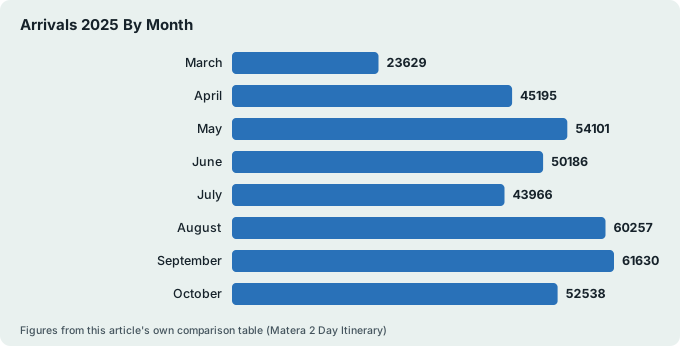
May and September are the strongest months for this itinerary: the APT Basilicata data shows May at 54,101 arrivals and September at 61,630, with September's 74.5% foreign share making it the city's international peak, while the ERA5 reanalysis, 1991-2020, puts September's mean high at 25.7 C against July and August at 31.2 and 31.3 C, so you trade peak heat for peak crowds. February, at 15,239 arrivals, is the quiet extreme.
The month-by-month picture, mixing the climate normals with the 2025 accommodation counts:
| Month | Mean High C (ERA5 1991-2020) | Rain Mm | Arrivals 2025 | Read |
|---|---|---|---|---|
| March | 14.1 | 59.2 | 23,629 | Quiet, cool, changeable |
| April | 17.4 | 56.5 | 45,195 | Spring crowds building |
| May | 22.7 | 41.7 | 54,101 | Warm, busy, drier |
| June | 28.2 | 35.1 | 50,186 | Hot, dry, busy |
| July | 31.2 | 21.2 | 43,966 | Peak heat, dip in arrivals |
| August | 31.3 | 21.7 | 60,257 | Hot, Italian holiday peak |
| September | 25.7 | 44.8 | 61,630 | The busiest month |
| October | 20.8 | 51.7 | 52,538 | Mild, busy, wetter |
| November | 15.5 | 67.1 | 23,555 | The wettest month, quiet |
July is the instructive row: heat equal to August with fewer arrivals than April, May, June, August, September or October. The crowds peak in September, when the mean high has already fallen to 25.7 C, which is why the desk books that month first and June second. Winter two-day visits work too, with 11.2 C mean highs in December and the Presepe Vivente nei Sassi, the living nativity whose sixteenth edition runs public days across four December 2026 weekends plus 2 and 3 January 2027 at 12.00 EUR full price, as the anchor event. More on that season is in Matera in winter.
Common Questions About A Matera 2 Day Itinerary
Is 2 days in Matera enough?
Yes, for a first visit. Two days covers both Sassi districts, a cave house, the rupestrian churches, the Cathedral, the Murgia viewpoint and a museum, at a walking pace. The APT data shows the average guest stays just 1.56 nights, so two full days already runs longer than the typical visit. A third day adds the Crypt of the Original Sin or Alberobello at leisure.
What is the best 2 day itinerary for Matera?
Day One: Piazza Vittorio Veneto, Sasso Caveoso, Casa Grotta di Vico Solitario, the rupestrian churches and the Cathedral. Day Two: the Murgia plateau and Belvedere Murgia Timone in the morning, then Sasso Barisano, MUSMA or Palazzo Lanfranchi and a cave dinner. The detailed version, with tickets and hours, is laid out in the table at the top of this guide.
Can you do Matera and Alberobello in 2 days?
Yes. Keep both Matera days intact and slot Alberobello, 68 km and about 1 h 23 by road, into the second afternoon after the Murgia morning, using a guided trulli walk. The fuller comparison of how the two towns split a day is in the site's Matera and Alberobello itinerary page.
Do you need a guided tour in Matera?
A guided walk adds the most on Day One, because the Sassi's interior sites and their history are not self-explanatory and a licensed guide also unlocks reduced with-guide tickets at the Oltre l'Arte churches. Day Two's Murgia side works either way. Tip-based walks also run locally; confirm arrangements directly with the guide.
What should you skip with only 2 days in Matera?
Skip the Crypt of the Original Sin, which needs a booked car slot 13 km away, the Palombaro Lungo unless underground sites are your priority, and any coastal trip: there is no sea at Matera, and Metaponto or Polignano a Mare are 47 to 100 km away. Keep the time for the Sassi and the canyon rim.
When is the quietest time to do this itinerary?
February, with 15,239 arrivals in 2025 against September's 61,630, though ERA5 reanalysis, 1991-2020, shows 11.1 C mean highs and 54.9 mm of rain then. Midweek spring dates in March or late October trade a little weather for far thinner lanes.
Two days, walked in this order, leaves nothing essential unseen: the cave house and the rock churches on the first day, the canyon rim and the museums on the second, and the floodlit Sassi from Piazza Vittorio Veneto to close.