Matera Unesco
UNESCO listed The Sassi and the Park of the Rupestrian Churches of Matera in 1993. This guide explains what the inscription covers, what it does not, and how to see each part of the site.
Short answer
Matera's Unesco World Heritage property is named The Sassi and the Park of the Rupestrian Churches of Matera, inscribed in 1993 under criteria (iii), (iv) and (v), covering 1,016 hectares of cave dwellings and rock-cut churches on the edge of the Gravina canyon in Basilicata, southern Italy.
Matera, in the region of Basilicata in southern Italy, holds one of the country's most distinctive Unesco World Heritage listings. The property, inscribed in 1993, is named "The Sassi and the Park of the Rupestrian Churches of Matera", and it covers 1,016 hectares of cave dwellings, stone houses and rock-hewn churches cut into pale tufa limestone on the edge of the Gravina canyon. This guide, from the Matera Travel Guide editorial desk, sets out what the inscription actually covers, why the committee listed it, and how to visit each part of the site today, using the published Unesco record and the operators' own tariff pages rather than secondhand summaries.
What Is The Matera Unesco World Heritage Site?
The Matera Unesco World Heritage property is named "The Sassi and the Park of the Rupestrian Churches of Matera", site 670 on the World Heritage List, inscribed in 1993 at the 17th session of the World Heritage Committee under criteria (iii), (iv) and (v). The property area is 1,016 hectares, covering the two Sassi districts, Sasso Caveoso and Sasso Barisano, the Civita plateau between them, and the facing Murgia plateau with its rock-cut churches.
Unesco's own entry describes "more than a thousand dwellings and a large number of shops and workshops" inside the property boundary. The listing is not a single monument: it is an inhabited cultural landscape where houses, churches, cisterns and stables were carved directly out of the limestone over many centuries. The regional law that created the protected park, Regional Law 11/1990, established the "Archaeological Historic Natural Park of the Rupestrian Churches of Matera", and the Unesco inscription followed three years later.
The site's story is not a tidy one. Residents were moved out of the Sassi between 1952 and the 1970s, after the cave quarters became a national byword for poverty, and a 1986 law opened the way to restoration. The Unesco listing arrived while that restoration was still in its early years, and it is one reason the Sassi are again lived in, worked in and visited today. The longer background is covered in the site's history of Matera guide.
Unesco's wording on the city's age matters, because so much casual writing about Matera gets it wrong. The Unesco record speaks of "continuity over more than two millennia" and first occupation during the Palaeolithic.
Why Did Unesco Inscribe The Sassi Of Matera In 1993?
Unesco inscribed Matera in 1993 under three cultural criteria. Criterion (iii) recognises "an outstanding example of a rock-cut settlement, adapted perfectly to its geomorphological setting and ecosystem and exhibiting continuity over more than two millennia". Criteria (iv) and (v) recognise the Sassi as an outstanding example of a building ensemble and of a traditional human settlement vulnerable under the impact of irreversible change.
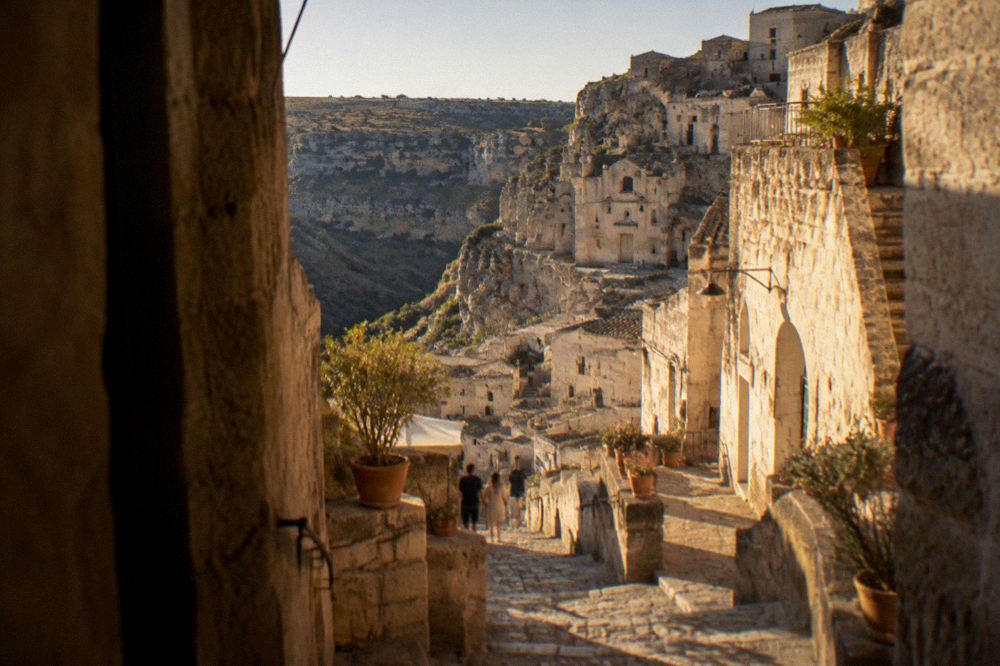
Each criterion answers a different question about why the site matters. Together they describe a place where the architecture is the landscape: the dwellings are the cave mouths, the streets are the rooftops of the houses below, and the water system of cisterns and catchment basins is carved into the same rock.
| Criterion | What Unesco recognises at Matera |
|---|---|
| (iii) | An outstanding example of a rock-cut settlement, adapted to its geomorphological setting and ecosystem, with continuity over more than two millennia |
| (iv) | An outstanding example of a building ensemble illustrating significant stages in human history |
| (v) | An outstanding example of a traditional human settlement representative of a culture, vulnerable to irreversible change |
The 1993 date places Matera among the earlier Italian listings, and the inscription predates the restoration boom by some years. The European Capital of Culture year of 2019 and the accommodation growth since then, 479,083 arrivals in the city's registered hotels and rentals in 2025 against 388,158 in 2019, per the APT Basilicata data, came a quarter century after the listing. The Unesco status underwrote that trajectory without ever promising it.
The inscription also frames what the listing protects. The property is not a museum quarter behind a ticket gate. It is a working district where people live, run businesses and sleep, which is why there is no Sassi entry fee, and none has been enacted. In April 2026 the mayor spoke of a "tourism package" that might include a higher tourist tax and a hoped-for coach entry charge, but no figure and no date have been approved, so nothing of the kind appears on this page as a fact.
What Does The Matera Unesco Property Actually Include?
The 1,016-hectare Matera Unesco property includes the Sasso Caveoso and Sasso Barisano cave quarters, the Civita ridge between them with the Cathedral, and the facing Murgia plateau across the Gravina canyon, where the Archaeological Historic Natural Park of the Rupestrian Churches protects about 8,000 hectares by the park's own count, with hundreds of rock-cut churches, many of them visible from the Sassi themselves.
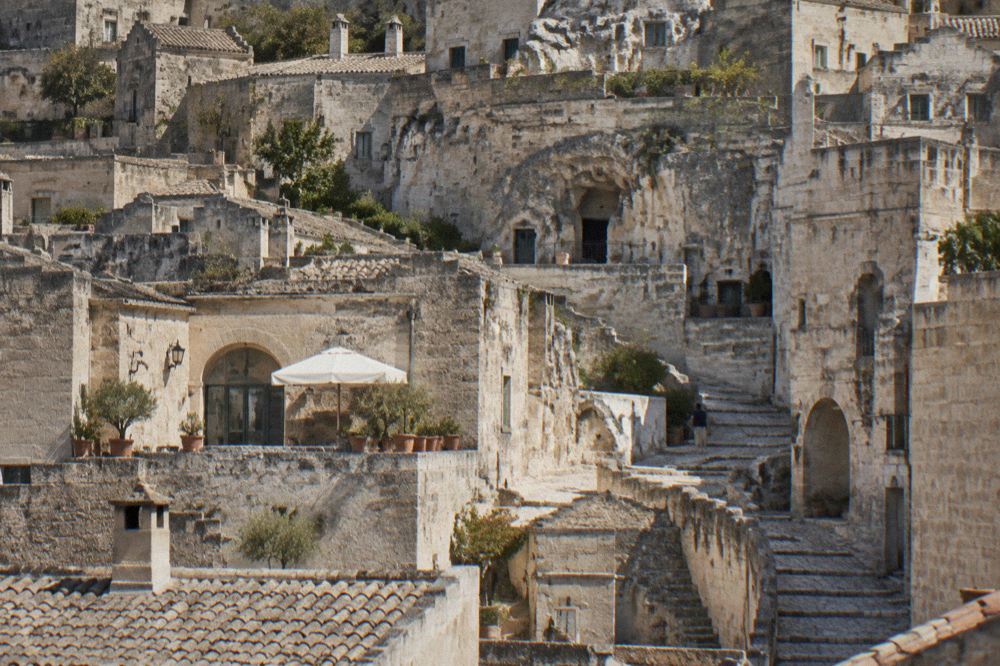
In practice the visitor sees the property as three connected pieces. The first is the Sasso Barisano, the northwestern quarter, where restored cave facades face stepped lanes. The second is the Sasso Caveoso, the southeastern quarter, where the cave houses run deeper into the rock and the canyon wall stands close. The Civita between them carries the Romanesque Cathedral. The Sassi di Matera guide on this site covers the two quarters street by street.
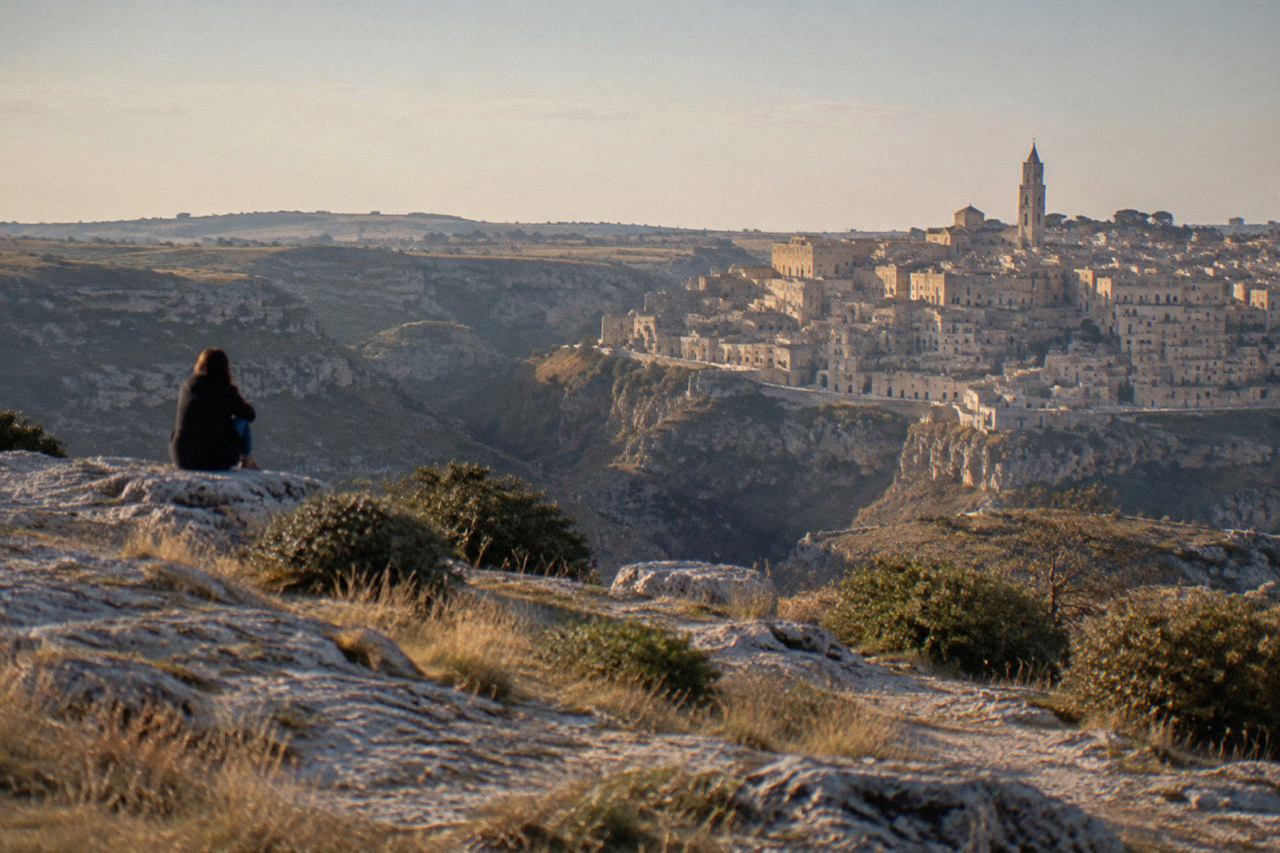
The third piece is the Murgia side. The park's own site counts 923 plant species, about a sixth of the national flora, across its territory, and the rupestrian churches cut into the canyon walls are the reason the park carries their name. From the Belvedere Murgia Timone, the classic viewpoint, the whole Unesco property reads as one continuous landscape: cave church openings on one side of the Gravina, the Sassi on the other. The Parco della Murgia Materana guide explains the access arrangements, which changed in 2026.
A guided walk is the most direct way to read the property, because the Unesco story is partly underground and easy to miss without interpretation. The related tour on this page pairs Matera with Alberobello, the other Unesco town within reach, under a tour leader. For a walk focused on the rock-cut churches inside the Sassi, the rupestrian churches of Matera guide lists which ones are open and how the tickets work.
How Do You Visit The Rupestrian Churches Of Matera?
Three rupestrian churches inside the Sassi, Santa Lucia alle Malve, Madonna de Idris with San Giovanni in Monterrone, and San Pietro Barisano, are open to visitors under the operator Oltre l'Arte, whose tariff page lists 4.50 EUR for one church, 8.00 EUR for two and 10.00 EUR for three, with hours from 09:30 daily from 28 March 2026, and all its sites close on 25 December and 2 July.
Oltre l'Arte's ticket page is the primary source for these figures, and it also lists an all-inclusive ticket at 25.00 EUR, reduced 16.00 EUR, covering eight sites: the three churches, the Vicinato a Pozzo courtyard, the Antica Casa Grotta in Via Fiorentini, the MATA diocesan museum, the exhibition in the Chiesa del Purgatorio and the Museo del Pane. The Cathedral and MATA route on its own is 4.00 EUR, daily 09:00 to 19:00, pausing for worship on Sundays and solemnities.
| Oltre l'Arte ticket | Price | Notes from the operator's tariff page |
|---|---|---|
| 1 rupestrian church | 4.50 EUR | Reduced 3.50 EUR, with licensed guide 2.50 EUR |
| 2 churches | 8.00 EUR | Reduced 5.50 EUR, with licensed guide 4.00 EUR |
| 3 churches | 10.00 EUR | Reduced 7.50 EUR, with licensed guide 5.00 EUR |
| Cathedral and MATA | 4.00 EUR | Daily 09:00 to 19:00, last entry 18:45 |
| 8-site all-inclusive | 25.00 EUR | Reduced 16.00 EUR, covers churches, MATA, Museo del Pane and more |
Children up to 10 enter the churches free with a parent, and the reduced rates apply to disabled visitors, groups of 20 or more and FAI members. The three churches keep different closing times: Santa Lucia alle Malve and Madonna de Idris to 19:30, San Pietro Barisano to 19:00, in the hours published from 28 March 2026.
Beyond the ticketed three, other rock churches stand open or visible without a fee. San Pietro Caveoso, the parish church at the mouth of the Caveoso quarter, and the Convicinio di Sant'Antonio, a row of four cave chapels, are both covered in their own guides on this site, and the Matera church tickets and passes guide pulls every admission into one table.
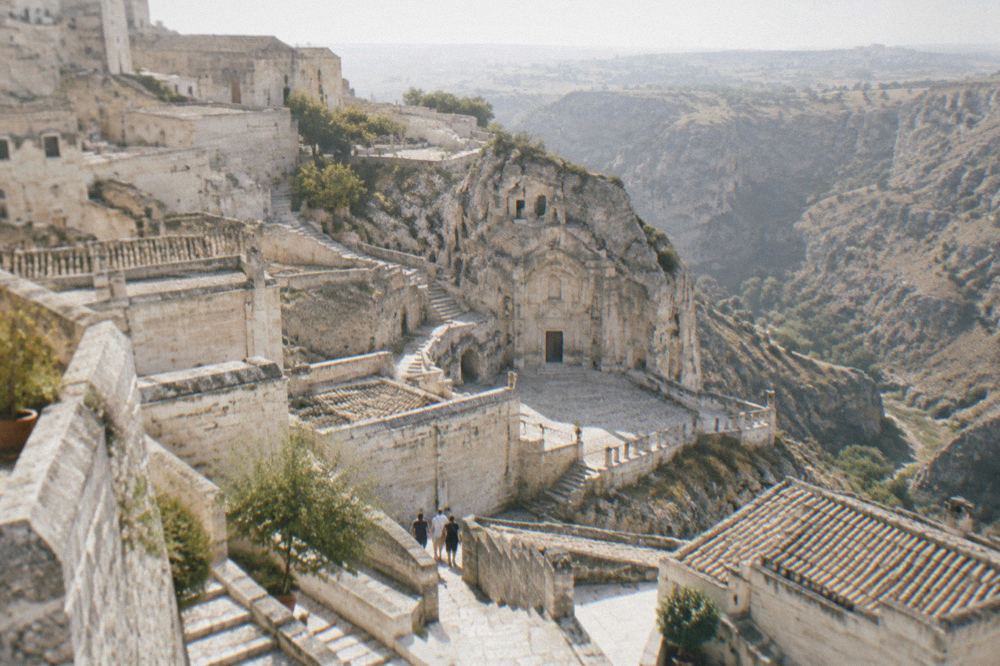
What Is The Parco Della Murgia Materana And Why Is It Part Of The Matera Unesco Site?
The Parco della Murgia Materana is the Archaeological Historic Natural Park of the Rupestrian Churches created by Regional Law 11/1990, covering about 8,000 hectares by the park's own count on the Murgia plateau opposite the Sassi, and it is named in the Unesco property title itself, so the canyon, the plateau and their rock-cut churches are part of the listing, not a backdrop to it.
Unesco's record gives a second figure for the protected area: the World Heritage entry says regional Law 11/1990 protects "some 6,500 ha". The park's own site says "circa 8000 ettari". Both figures are official, they are not the same, and this site prints both rather than flattening them into one number.
Access to the park changed in 2026. The Jazzo Gattini visitor centre has been active since 6 February 2026 under a new concession, with an info point, a ticket office and access control towards Murgia Timone. Since March 2026 the Sentiero 406, the path with the suspension bridge over the Gravina, has had a staffed access point and an online access ticket, with half price under 25 and free entry for residents of Matera and Montescaglioso, under-6s and disabled visitors with a companion. The exact access price is not settled in the sources this site holds, so it is not printed here: confirm it on the park's ticket page before you go. The Tibetan bridge guide carries the detail.
| Park access point | What the park's own site says | Since when |
|---|---|---|
| Jazzo Gattini visitor centre | Info point, ticket office, access control towards Murgia Timone | 6 February 2026 |
| Sentiero 406, Porta Pistola | Staffed access point, online access ticket, park conduct rules apply | March 2026 |
| Belvedere Murgia Timone | Reached through the Jazzo Gattini access route | Current arrangement |
The Belvedere Murgia Timone is the single most photographed angle on the Unesco property, and the viewpoints guide on this site places it among the others. The park's plant count, 923 species, makes the same point the Unesco criteria make: this is a cultural landscape where nature and settlement are one subject, not two.
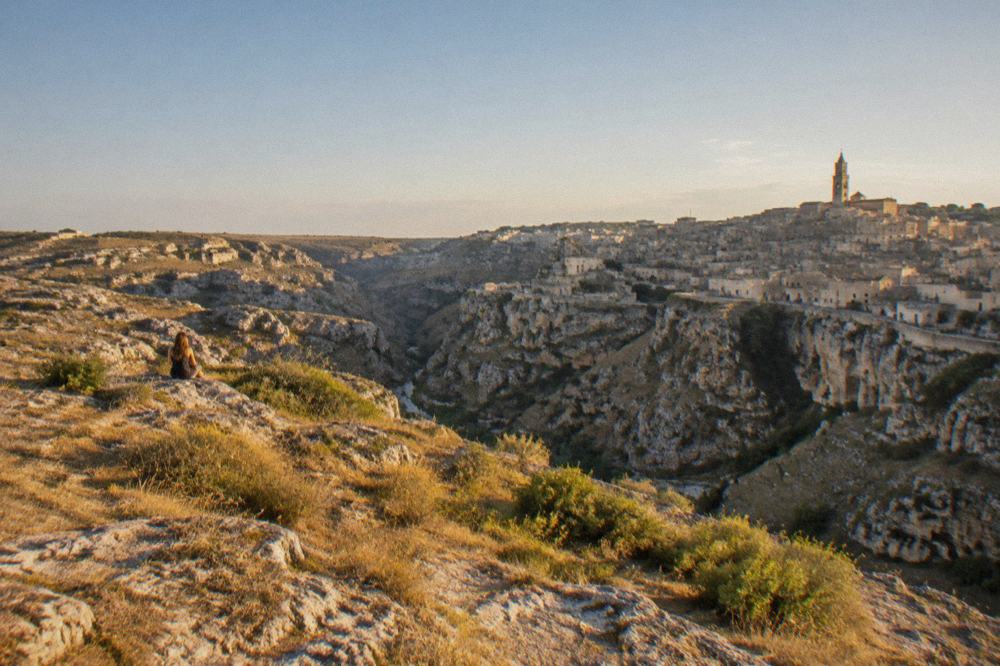
How Does The Matera Unesco Status Change The Visitor Experience Today?
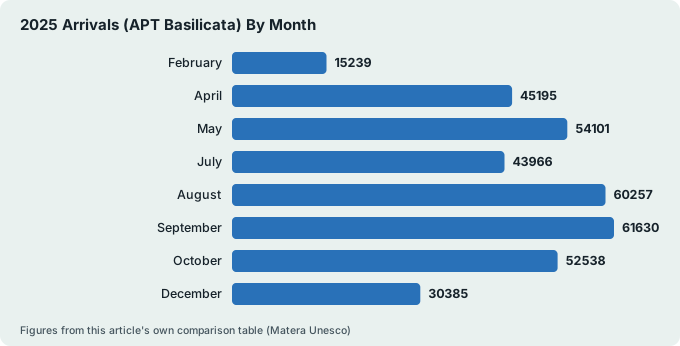
Matera's Unesco status underwrote the restoration of the Sassi from abandoned cave quarters into a lived-in World Heritage district, and the APT Basilicata data shows the result: 479,083 arrivals in registered accommodation in 2025, up 23.4% on the 2019 Capital of Culture year, with 57.4% of those arrivals from abroad and an average stay of 1.56 nights, which is why the city is busy in the evening and quieter by late morning.
The monthly pattern is the detail worth knowing. September, not August, was the busiest month of 2025, with 61,630 arrivals against 60,257 in August, and 74.5% of those September arrivals came from abroad. February was the quietest, with 15,239. The best time to visit Matera guide unpacks the seasons against the climate data.
| Month | 2025 arrivals (APT Basilicata) | Mean high C (ERA5 reanalysis, 1991-2020) |
|---|---|---|
| February | 15,239 | 11.1 |
| April | 45,195 | 17.4 |
| May | 54,101 | 22.7 |
| July | 43,966 | 31.2 |
| August | 60,257 | 31.3 |
| September | 61,630 | 25.7 |
| October | 52,538 | 20.8 |
| December | 30,385 | 11.2 |
The restoration also created the cave hotels and restaurants that now define a stay. Sleeping inside the Unesco property is the most literal way to inhabit the listing, and the Matera cave hotels guide covers what that means in practice. One closure to plan around: the Museo Archeologico Nazionale Domenico Ridola has been closed since 7 April 2025 for energy works and a new display, with no reopening date published, so it cannot be part of a current itinerary.
The Unesco district is steep, stepped and uneven. Routes through the Sassi involve stone stairways and worn tufa, and no named route on this site is described as step-free. The Matera accessibility guide addresses the terrain honestly.
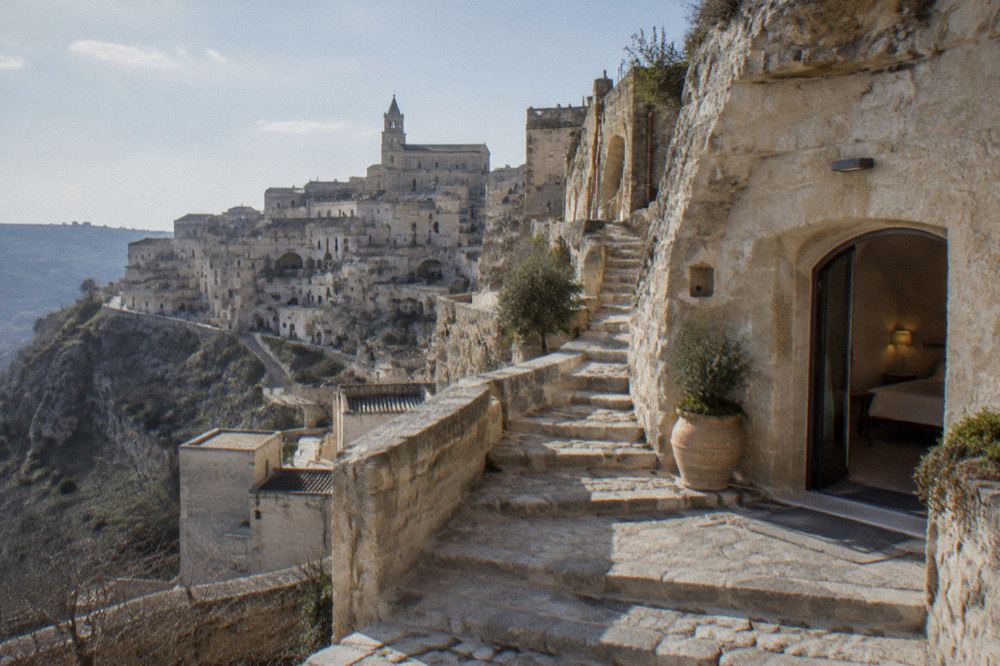
Which Matera Tours Cover The Unesco Story Best?
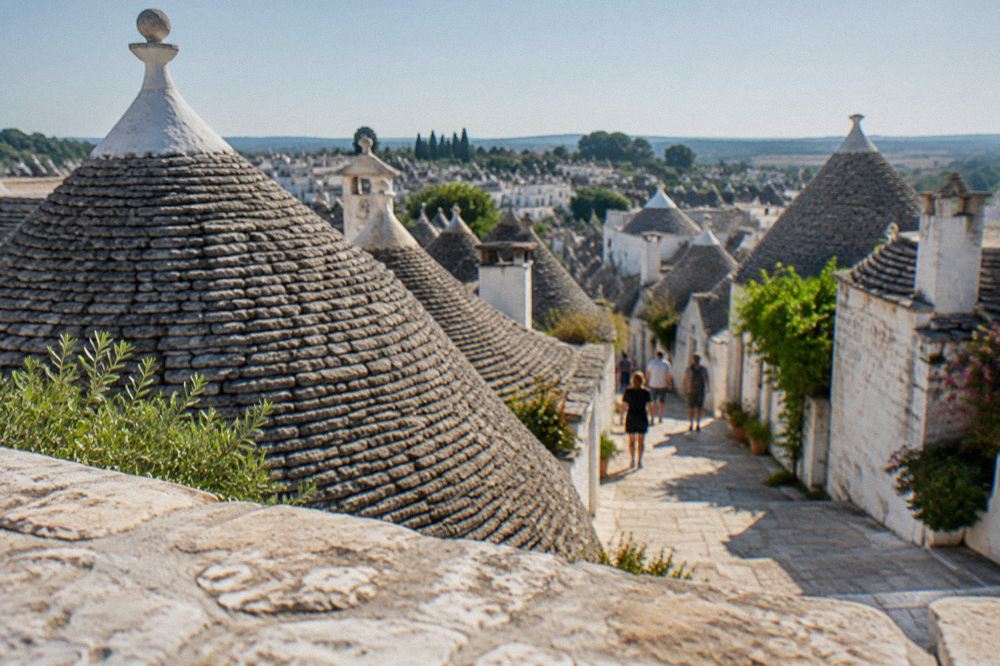
The tours that cover the Matera Unesco story best are the walking tours that enter a cave house and a rupestrian church with a licensed guide, and, for the full World Heritage pairing, the day tours that add Alberobello, Puglia's trulli town, which is also on the Unesco list and sits about 68 km and an hour and a half's drive from Matera.
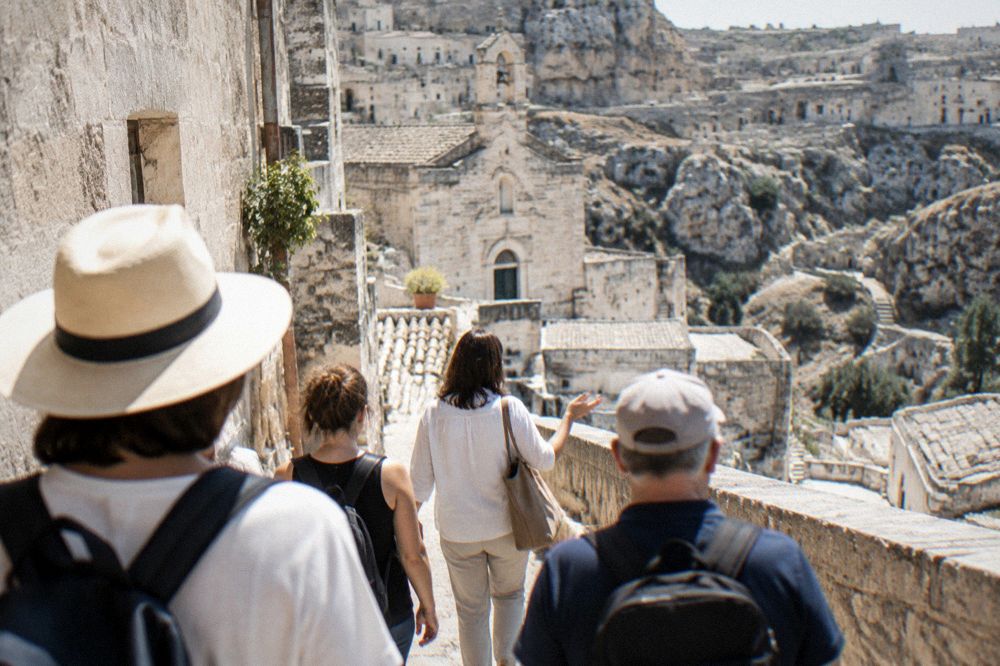
A walk with a licensed guide matters at Matera for a specific reason: several of the rupestrian churches and cave houses are only interpretable with a guide, and Oltre l'Arte's own tariff charges less for church entry with a licensed guide than without one, which is the operator pricing the guided experience into the visit. The walks below are drawn from this site's verified roster, and every price, rating and duration renders from the tour's live listing rather than being typed here.
A licensed guide unlocks the cave houses and church interiors. Book a Sassi walking tour here.
The Sassi walk above covers the historic centre and the churches carved into the rock. For a first visit built around the Unesco property itself, the fuller version below enters a furnished cave house and a rupestrian church, which is the closest a short visit gets to the criteria (iii) story of a rock-cut settlement.
The related tour for this page takes the Unesco theme across the regional border. Alberobello is in Puglia, not Basilicata, and its trulli district is a separate World Heritage property, so a day tour covering both towns visits two listings in one itinerary.
How Does Matera Unesco Compare With Alberobello?
Matera and Alberobello are both Unesco World Heritage towns within reach of each other, about 68 km and an hour and a half apart by road, but their listings are different in kind: Matera's is a rock-cut settlement and cultural landscape inscribed in 1993, while Alberobello's trulli district is a rural building tradition, so the pairing works as a two-listing day trip but the sites reward different kinds of attention.
The comparison is a fair one to draw, because the drive between them is short and many itineraries in Puglia and Basilicata include both. The Matera and Alberobello in one day guide works out the logistics, and the Matera versus Alberobello guide makes the case for each.
| Matera | Alberobello | |
|---|---|---|
| Unesco property | The Sassi and the Park of the Rupestrian Churches | The trulli district |
| Region | Basilicata | Puglia |
| Inscription | 1993 | Separate listing, rural stone building tradition |
| Road distance from the other | 68 km, about 1 h 23 from Matera | 68 km, about 1 h 23 from Alberobello |
| Distinctive feature | Cave dwellings and rock-cut churches in a canyon landscape | Conical-roofed trulli dry-stone houses |
Alberobello is smaller and flatter, and a visit there is a walk through one extraordinary street pattern. Matera is a city, and its Unesco property extends across a canyon and a protected plateau. That difference is why this site's own recommendation, in the three days in Matera guide, is to give Matera the larger share of any combined itinerary.
What Should You Know Before Planning A Matera Unesco Visit?
Before visiting the Matera Unesco site, know four things: there is no entry fee to the Sassi district itself and none has been enacted, the rupestrian churches and museums have separate tickets listed in the tables above, the ZTL camera zones in and around the historic centre are active for long hours every day, and the tourist tax exists but its amount is confirmed by your accommodation at booking, not published by the comune.
Driving deserves a paragraph of its own. The ZTL Sassi gates on Via Buozzi, Via Madonna delle Virtù and Via D'Addozio run cameras from 10:00 to 20:30 between 16 September and 30 June, and from 10:00 to 24:00 between 1 July and 15 September, on weekdays and holidays alike. The ZTL Centro around Via del Corso and Piazza Sedile is active 24 hours a day. The Matera ZTL guide and the Matera parking guide carry the full camera map and the loading windows, and the how to get to Matera guide covers arriving without a car, including the FAL railway, where the posted weekday timetable involves a change at Altamura and no trains run on Sundays and public holidays.
| Planning item | What the sources say |
|---|---|
| Sassi entry fee | None enacted; April 2026 "tourism package" statement has no approved figure or date |
| Tourist tax | Charged by the accommodation; amount confirmed at booking |
| ZTL Sassi cameras | 10:00 to 20:30 (16 Sep to 30 Jun), 10:00 to 24:00 (1 Jul to 15 Sep), weekdays and holidays |
| Museo Ridola | Closed since 7 April 2025, no reopening date published |
| Casa Noha | Closed 5 to 22 October 2026 for renovation |
| Emergency number | 112, single European number, live in the Matera district since 2 December 2025 |
Where to sleep inside the property is the other big decision. The where to stay in Matera guide compares the Sassi quarters with the modern town on the plateau above, and the Sassi di Matera hotels guide lists the cave properties inside the Unesco boundary.
Common Questions About Matera Unesco
Is Matera A Unesco World Heritage Site?
Yes. The Sassi and the Park of the Rupestrian Churches of Matera, site 670, was inscribed on the Unesco World Heritage List in 1993 at the 17th session of the Committee, under criteria (iii), (iv) and (v).
What Year Did Matera Become Unesco?
1993. The inscription was decided at the 17th session of the World Heritage Committee, three years after Regional Law 11/1990 created the protected park of the rupestrian churches.
How Big Is The Matera Unesco Site?
The inscribed property area is 1,016 hectares, covering the two Sassi quarters, the Civita and the facing Murgia plateau. The park that gives the property part of its name covers about 8,000 hectares by the park's own count, while the Unesco entry cites some 6,500 hectares for the area protected by the 1990 regional law.
Is Matera The Oldest City In The World?
No official source this site has opened says so. Unesco's own wording is "continuity over more than two millennia" and first occupation during the Palaeolithic.
Do You Have To Pay To Enter The Sassi Of Matera?
No. The Sassi are lived-in city quarters with no entry fee, and no fee or visitor cap has been enacted. Individual sites inside the district, such as the rupestrian churches run by Oltre l'Arte and the Casa Grotta di Vico Solitario, sell their own tickets at the prices listed on their tariff pages.
Can You Visit Matera And Alberobello Unesco Sites In One Day?
Yes. The two towns are about 68 km apart, roughly an hour and a half by road, and guided day tours with a tour leader run the pairing from both bases. Alberobello is in Puglia, while Matera is in Basilicata, so the itinerary crosses a regional border between two separate World Heritage properties.